

When you face tough logs, splitting force matters most. Tonnage tells you if a log splitter can handle the job. You want a tool that matches your needs, not just any log splitter. Think about the wood you split and how big those logs get. Some types of log splitters work better for hardwoods or larger pieces. You might like the power of a 25 Ton Gas Log Splitter if you want real muscle. The benefits of using log splitters show when you pick the right one for your work.
Key Takeaways
-
Pick a log splitter with enough power for your hardest logs. This is important for hardwoods and big logs.
-
Make sure your splitter matches your log size. Think about how often you split wood. This helps stop damage and saves you work.
-
Choose the right splitter type. Use a manual splitter for small jobs. Use an electric splitter for medium jobs near power. Use a gas splitter for big, tough logs.
-
Find features like quick cycle time and easy moving. Safety guards and simple care make splitting safer and easier.
-
Avoid mistakes by checking the log size your splitter can handle. Pick the right power source. Buy a splitter that works for you now and later.
Assess Your Needs
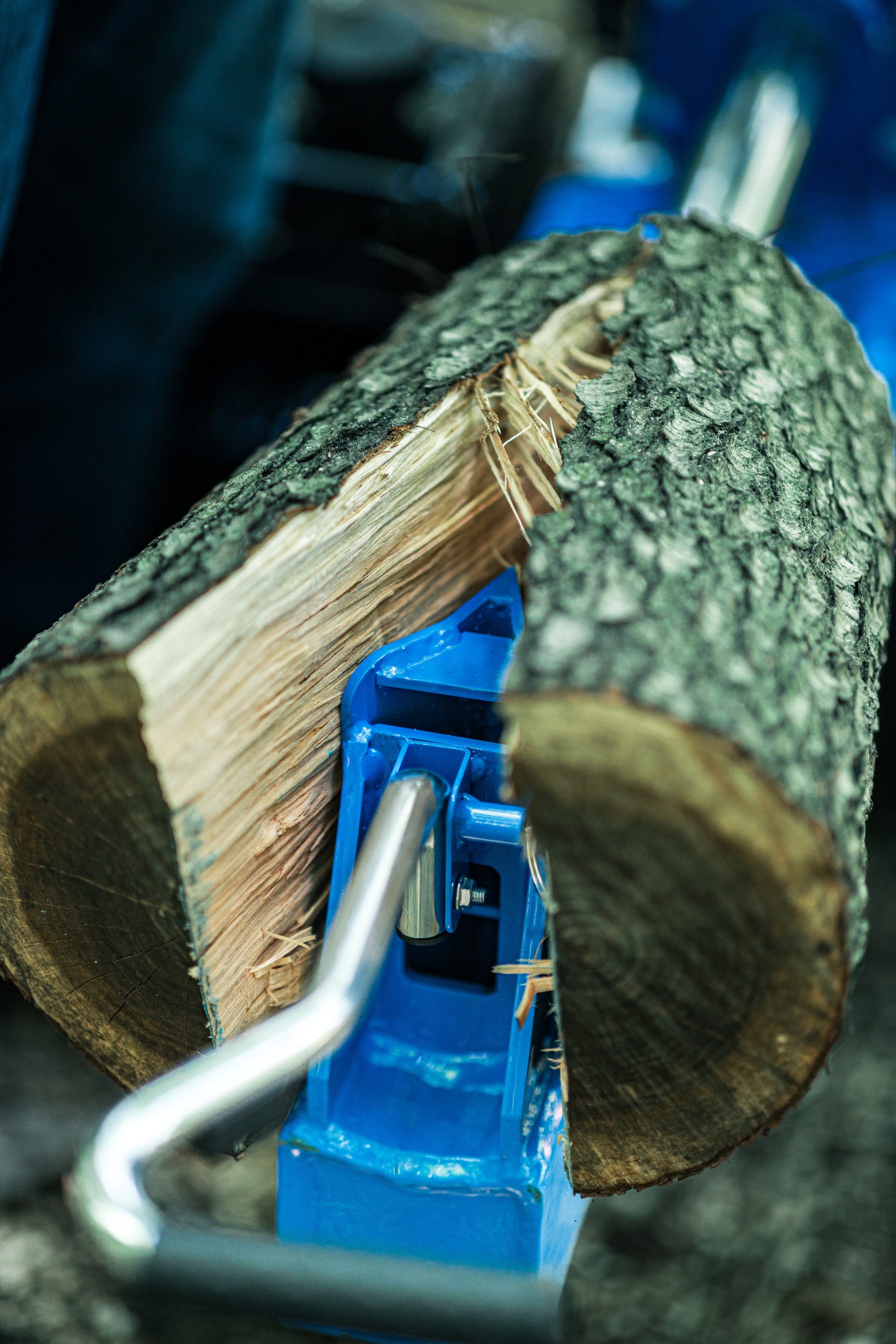
Wood Type
Start by thinking about the type of wood being split. Hardwoods like oak and maple are much tougher than softwoods like pine. You need more tonnage for hardwoods. Green wood, which is freshly cut, also takes more force than dry, seasoned wood. Here’s a quick look at how wood hardness affects your log splitter needs:
|
Wood Species |
Janka Hardness (lbs) |
Required Log Splitter Tonnage (tons) |
|---|---|---|
|
Pine |
860 |
Lower tonnage needed due to softness |
|
Maple |
1450 |
Higher tonnage needed due to hardness |
|
Oak |
1620 |
Highest tonnage needed among these |
Tip: If you often split green wood or hardwoods, pick a log splitter with higher power. This makes tough jobs easier.
Log Size
Measure the largest logs you plan to split. Both diameter and length matter. Most residential log splitters handle logs up to 24 inches in diameter. Some can take on logs as big as 28 to 32 inches, but you may need to reposition them. Here’s a handy table to help you match log size and tonnage:
|
Log Diameter (inches) |
Seasoned Wood Tonnage (min) |
Green Wood Tonnage (min) |
|---|---|---|
|
6 - 12 |
4 tons |
N/A |
|
12 - 24 |
7 tons |
16 tons |
|
24+ |
20 tons |
30+ tons |
If you use a log splitter on logs that are too big, you risk damaging your machine. Always match the splitter’s capacity to your wood-splitting needs. This keeps your splitter running strong for years.
Usage Frequency
Think about how often you split wood. If you only split a few logs now and then, a smaller log splitter with less tonnage may work. If you split large piles every weekend, you need a heavy-duty model. More frequent use means you want a splitter with more power and durability. Estimate your needs before you buy, so you get the right size and strength for your work.
Types of Log Splitters
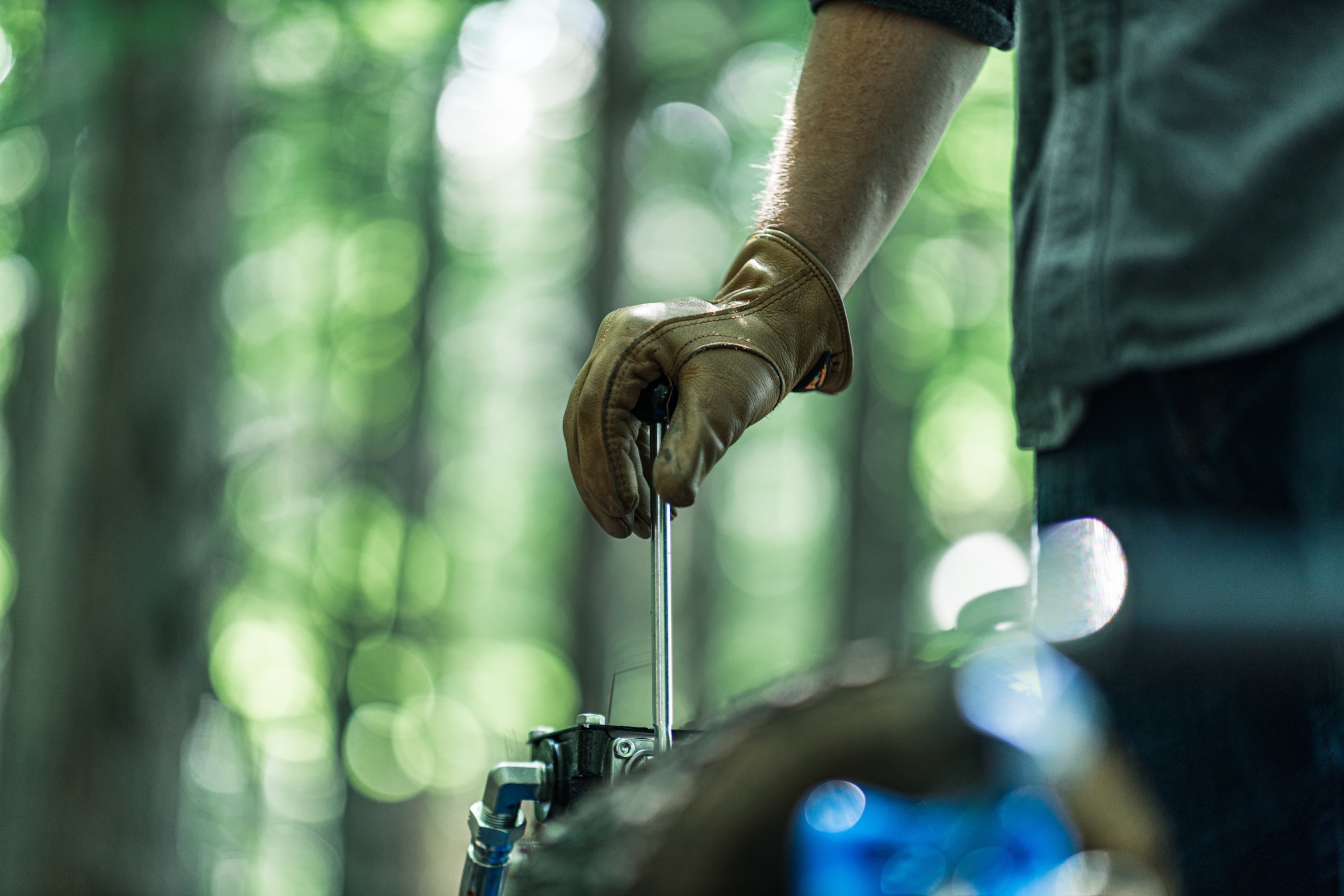
When you look at the different types of log splitters, you’ll see three main choices: manual, electric, and gas. Each type has its own strengths and works best for certain jobs. Let’s break down what you can expect from each one.
Manual Log Splitters
Manual log splitters use your muscle to get the job done. You pump a handle or step on a lever to split the wood. These splitters don’t need fuel or electricity, so you can use them anywhere. They are quiet and easy to store. You’ll find them great for small jobs or if you only split a few logs at a time. But they need a lot of effort and can’t handle big, tough logs.
Tip: Manual log splitters are perfect if you want a simple tool for light work and don’t mind a workout.
Electric Log Splitters
Electric log splitters give you more power than manual ones. You just plug them into an outlet and let the motor do the work. These splitters are easy to use and much quieter than gas models. They need little maintenance and work well for splitting small to medium logs. You can use them in your garage or shed, but you need to stay close to a power source. Most electric log splitters offer moderate splitting force, so they may struggle with the biggest, toughest logs.
Gas Log Splitters
Gas log splitters bring the most power to the table. If you need to split large, tough logs or work through big piles, a gas model is your best bet. These splitters can handle logs that electric models can’t touch. They work fast and don’t need to be near an outlet. Most gas log splitters come with wheels or even a trailer hitch, so you can move them around your property. They are heavier, noisier, and need more care, but they are the top choice for heavy-duty jobs.
Here’s a quick comparison to help you decide:
|
Feature |
Manual Log Splitter |
Electric Log Splitter |
Gas Log Splitter |
|---|---|---|---|
|
Splitting Force |
Low, human-powered |
High (20-40 tons) |
|
|
Speed |
Slow |
Moderate |
Fastest |
|
Ease of Use |
Demanding, portable |
Easy, low noise, needs outlet |
Powerful, heavier, more upkeep |
|
Portability |
Very portable |
Portable, needs power nearby |
Less portable, often wheeled |
|
Maintenance |
Minimal |
Low |
Higher, needs engine care |
|
Noise Level |
Quiet |
Low |
Noisy |
You’ll also want to think about where you’ll use your log splitter. Wheeled splitters are easy to move around your yard. Mounted splitters attach to vehicles for big jobs in the woods. Stationary splitters stay in one spot and work best for large, ongoing projects. If you need a powerful log splitter for tough logs, a gas model with wheels or a trailer hitch gives you the most flexibility.
Log Splitter Features
Splitting Force
Tonnage is the muscle behind any log splitter. If you want to split tough logs, you need enough power. Hardwoods and large logs demand higher tonnage. For most homeowners, a splitter with 7 to 10 tons works for small, seasoned logs. If you deal with green wood or logs over 24 inches, you may need 20 tons or more. Always choose a log splitter with a bit more tonnage than you think you need. This helps you handle unexpected tough logs without trouble.
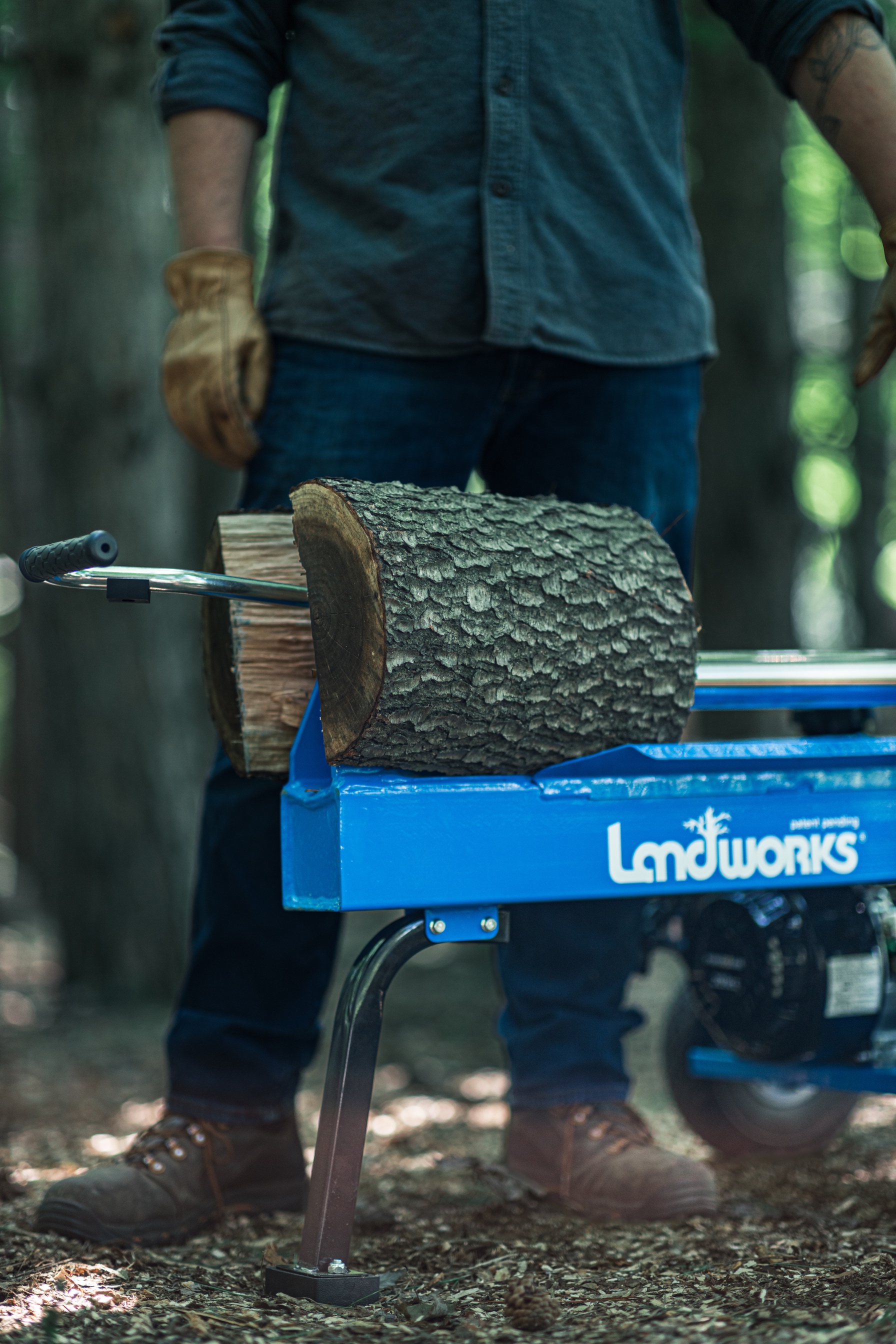
Cycle Time
Cycle time tells you how fast your log splitter works. It measures how long it takes to split a log and get ready for the next one. Shorter cycle times mean you can split more wood in less time. This matters a lot if you have big piles to get through. Most hydraulic splitters take about 14 to 18 seconds per cycle. Faster cycles boost your productivity, but you should always balance speed with safety. Too fast can be risky.
Tip: If you split wood for hours, look for a log splitter with a quick cycle time. You’ll finish faster and save energy.
Portability
You want a log splitter that fits your space and moves easily. Some features to consider include wheels, handles, and compact design. These features help you move the splitter around your yard or store it in a small shed. Here’s a quick look at what helps with portability:
|
Feature |
Benefit for Small Spaces |
|---|---|
|
Large wheels |
Easy to roll, less lifting |
|
Handles |
Simple to push and steer |
|
Upright storage |
Saves floor space in your garage |
|
Compact design |
Fits in tight spots, easy to store |
Safety
Safety should always come first. Look for necessary safety features like proper guarding and controls that meet industry standards. Good design keeps your hands away from moving parts. Make sure your log splitter follows ANSI and ASAE safety rules. These features to consider help prevent accidents and keep you safe while you work.
Maintenance
Regular care keeps your log splitter running strong. Check hydraulic fluid, sharpen blades, and inspect hoses for leaks. Change fluids and oil as needed. Clean your splitter after each season. These features help prevent breakdowns and make your machine last longer. A well-maintained splitter saves you money and trouble over time.
Choosing the Right Log Splitter
Occasional Use
If you only split wood once in a while, you want something simple and easy to handle. Manual log splitters or handheld tools like splitting axes and mauls work well for these jobs. You can carry them anywhere, and you do not need fuel or electricity. These tools are lightweight and do not take up much space in your shed. You will also spend less money, which makes them a cost-effective way to get the job done.
-
Manual log splitters are compact and budget-friendly.
-
Splitting axes are lighter, so you can use them longer without getting tired.
-
Splitting mauls are heavier but work well if you have the strength.
-
You do not have to worry about maintenance or complicated parts.
Tip: If you only split a few logs each season, stick with a manual splitter or a good axe. You will save on cost and avoid extra hassle.
Heavy-Duty Needs
Do you split large piles of wood or handle tough, thick logs? You need a log splitter with serious power. Look for models with at least 28 tons of splitting force. These machines often use commercial-grade engines, like Honda GX270 or similar, to keep running strong all day. Fast cycle times help you move through big stacks quickly. Features like hydraulic log lifts and adjustable wedges make your work easier and safer.
-
Choose a log splitter with 28 to 37 tons of force for heavy-duty jobs.
-
Commercial engines and strong hydraulic pumps keep the machine reliable.
-
Adjustable cylinder strokes let you split different log sizes.
-
Heavy-duty steel and powder-coated finishes mean your splitter will last for years.
-
Hydraulic log lifts and 4-way blades save your back and speed up splitting.
If you want to split wood for a business or heat your home all winter, investing in a powerful, durable log splitter pays off. You will spend more up front, but you will save time and effort every season.
Note: When choosing the right log splitter for heavy-duty needs, pick one that can handle logs even bigger than you usually split. This helps you stay ready for any tough job in the future.
Portability
Sometimes you need to move your log splitter from place to place. Portability matters a lot if you split wood in different spots or need to store your machine away after use. Most log splitters come with wheels, so you can roll them around your yard. Smaller models are easy to lift into a truck or car. Bigger splitters can be towed behind a truck or ATV if they have a hitch.
-
Manual splitters are best for remote spots without power.
-
Electric splitters work well near outlets and are easy to move.
-
Gas-powered splitters offer the most freedom for big jobs in different places.
If you plan to split wood at a campsite, a friend’s house, or deep in the woods, think about how you will move your splitter. Pick a model that matches your specific needs for transport and storage.
Tip: Always check the weight and wheel size before buying. Bigger wheels make it easier to roll over rough ground.
Budget
Your budget plays a big role in choosing the right log splitter. Manual splitters and axes cost the least. Electric splitters sit in the middle, offering more power for a moderate cost. Gas-powered splitters cost the most but give you the highest power and speed. Think about how much you want to spend and how often you will use your splitter.
|
Type |
Average Cost Range |
Best For |
|---|---|---|
|
Manual/Axe/Maul |
$50 - $300 |
Occasional, small jobs |
|
Electric Splitter |
$300 - $800 |
Regular, medium jobs |
|
Gas Splitter |
$800 - $2,500+ |
If you want a cost-effective way to split wood, match your purchase to your needs. Spending a little more now on a quality splitter can save you money and trouble later. Always choose a splitter that can handle logs a bit larger than you have now. This way, you will not need to upgrade soon.
Remember: Choosing the right log splitter means thinking about your needs today and tomorrow. A little planning now saves you time, money, and effort down the road.
Mistakes to Avoid
Choosing a log splitter can feel tricky, but you can dodge the most common mistakes with a little planning. Here are some pitfalls you should watch out for:
Underestimating Tonnage
Many people pick a log splitter that just cannot handle tough jobs. If you choose a model with too little power, you will struggle with dense hardwoods or large logs. Your splitter might stall or even break. Always pick a splitter with more tonnage than you think you need. This way, you can split any log that comes your way.
Tip: Buy the strongest splitter your budget allows. You will save time and avoid frustration.
Ignoring Log Size
You need to check the size of the logs you plan to split. Some buyers forget to look at the maximum log size their splitter can handle. This mistake leads to wasted money and effort. If your logs are too big, your splitter will not work well.
|
Overlooked Feature |
Description |
Effect on Performance and Safety |
|---|---|---|
|
Log Splitting Size Range |
Cannot split large logs, causes frustration |
|
|
Transportability |
Forgetting wheels or handles |
Hard to move and store, less convenient |
Measure your logs before you buy. Make sure your splitter matches or beats those numbers.
Overlooking Features
Some buyers focus only on price or power. They forget about important features like safety guards, two-hand controls, or easy transport. Missing these features can make your splitter harder to use and less safe.
-
Always look for safety features like non-slip grips and emergency stops.
-
Check for strong construction and a good warranty.
-
Make sure your splitter is easy to move and store.
Wrong Power Source
Think about where you will use your log splitter. If you need to split wood far from an outlet, an electric model will not work. If you want to split wood indoors, a gas-powered splitter is not safe. Pick the right power source for your space and needs.
Remember: A little research now saves you headaches later. Always match your splitter’s power, size, and features to your real-life needs.
You now know how to pick the right log splitter for your toughest logs. Think about tonnage, wood type, log size, and how often you split wood. Look for features that make your job easier and safer. When you choose log splitters that fit both your current and future needs, you get a tool that lasts, saves money, and reduces strain. The benefits of using log splitters include faster work, less effort, and safer splitting. Use these tips, and you will split wood with confidence and ease.
FAQ
How much tonnage do you really need for splitting logs?
You want enough power to split your biggest, toughest logs. For most hardwoods, pick at least 20 tons. If you split softwoods or small logs, 7 to 10 tons works fine. Always choose a bit more power than you think you need.
Can you use a log splitter indoors?
You can use electric log splitters indoors because they do not make fumes. Never use a gas-powered splitter inside. Gas engines need fresh air. Using them indoors is dangerous.
How do you keep your log splitter safe to use?
Always read the manual before you start. Wear gloves and safety glasses. Keep your hands away from moving parts. Make sure the splitter sits on flat ground. Never let kids or pets near the machine while you work.
What kind of maintenance does a log splitter need?
You should check the hydraulic fluid, clean the machine, and look for leaks. Sharpen the wedge if it gets dull. Change the oil on gas models. Regular care keeps your splitter working well for years.
Can one person move a log splitter alone?
Most small or electric splitters have wheels and handles. You can move them by yourself. Large gas splitters are heavy. You may need help or a vehicle to tow them.
