

Safe use and storage of an extention cord reel keeps you and your family protected from electrical hazards and accidents. You can reduce the risk of fires and tripping by keeping your extention cord reel organized and away from water.
-
Extention cord reels keep cords off the floor, which decreases tripping and electrical dangers.
-
Regularly inspecting your extention cord reel helps prevent damage and potential issues.
-
Proper cord management with an extention cord reel lowers accident rates by 25% and fire risks by 35%.
By following these safety tips, your extention cord reel will last longer, and you’ll feel safer at home.
Key Takeaways
-
Always unwind extension cord reels all the way before use. This helps stop them from getting too hot and causing fires.
-
Check your cord reels often for any damage. Do not plug in too many things at once. This keeps your home safe.
-
Keep extension cord reels in cool and dry places. Use loose loops or hang them on the wall. This helps them last longer and keeps you safe.
Extension Cord Reel Hazards
Electrical Risks
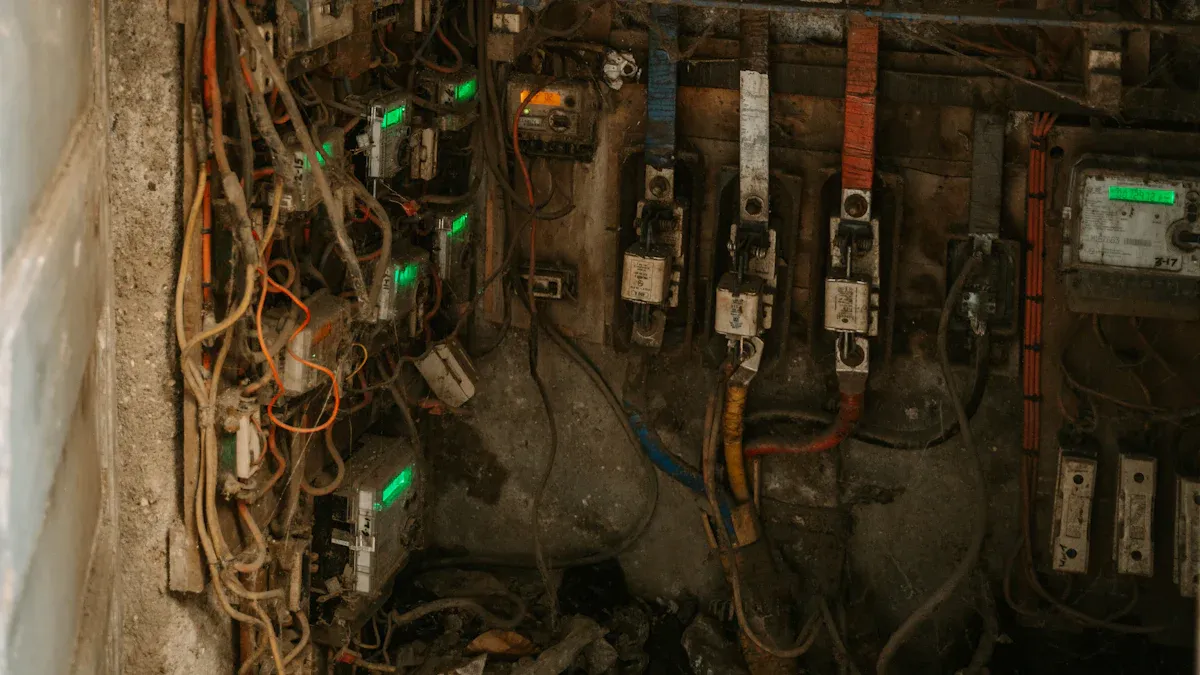
You need to be careful with electricity when using extension cord reels. If you plug in too many things, the extension cable can get too hot and start a fire. Never use an extension cord reel near water, like sinks or outside in rain, unless it is made for outdoor use. Broken extension cord reels can show wires, which makes electric shock more likely. Always look at your extension cable for cracks or broken wires before you use it. Safe habits with electricity keep your home and family safe.
Tripping Hazards
Extension cord reels help keep cords neat, but tripping can still happen. The U.S. Consumer Product Safety Commission says about 4,000 people go to the emergency room each year because of extension cords. About half of these people trip over cords. If you leave an extension cable across a walkway, someone could trip and get hurt. You can stop accidents by keeping extension cord reels out of busy places and taping down any extension cable that goes across a path.
Cord Damage
Extension cord reels help protect your extension cable, but you need to use them the right way. If you pull or yank the extension cable, you can break the wires inside. Wrapping the cord too tightly can also hurt it and make it unsafe. Always unwind the extension cord reel all the way before you use it. Keep your extension cord reels in a cool, dry place to keep the extension cable in good shape. These steps help you stay safe with electricity and make your extension cord reels last longer.
Safety Tips for Extension Cord Reels
Fully Unwind Before Use
Always unwind extension cord reels all the way before use. If you leave the extension cable coiled, it can get hot. This heat can hurt the extension cable or even cause a fire. Experts say you should never use a cord reel for power unless it is fully unwound. Doing this keeps your extension cord reels safe and helps them last longer. If you use high-power tools, it is even more important to unwind the whole extension cable. Following this rule every time helps protect your home and family.
Tip: Make sure the extension cable is flat and not tangled before turning on any device.
Avoid Overloading
Extension cord reels have a top load limit. You need to know how much power your devices use before plugging them in. If you overload the cord reel, it can get too hot and may start a fire or damage the extension cable. Most cord reels have a label that shows the most amps or watts they can handle. Always add up the power of all your devices first. If the total is more than the cord reel’s limit, use fewer devices or pick a stronger extension cord. Brands like Goodyear and Reelworks make cord reels with clear safety features and load ratings, so you can pick the right one for your needs.
-
Never plug in more devices than the cord reel can handle.
-
Use cord reels with built-in circuit breakers for extra protection.
-
Choose portable cord reels with clear labels and safety features.
Inspect for Damage
Check your extension cord reels before every use. Look for cracks, splits, or wires showing on the extension cable. Sometimes, damage hides inside the cable reel, so check for any signs of wear or broken parts. Checking every month helps you find problems early, like frayed cords or loose screws. Cleaning the cord reel each month keeps it working well and helps you spot trouble before it gets worse. If you see any damage, stop using the extension cord right away and get a new one.
-
Look for split-open cable jackets and cracked insulation.
-
Check for wires showing or broken parts.
-
Test the cord reel to make sure it works well.
-
Clean the cable reel to get rid of dirt and find hidden problems.
-
Early checks save money and keep your home safe.
Note: Damage inside may not show on the outside. Regular checks are the best way to keep your extension cord reels safe and working.
Use GFCI Protection
Always use GFCI protection when using extension cord reels, especially in wet or outdoor places. GFCI outlets or plug-in modules protect you from electric shock if the extension cable gets wet or damaged. The National Electrical Code says you must use GFCI protection for portable cord reels used by people, not just for permanent wiring. Some cord reels, like those from Goodyear and Reelworks, have built-in GFCI safety features. If your cord reel does not have this, you can use a plug-in GFCI adapter. GFCI devices with open neutral protection are best because they trip if the neutral wire is damaged, keeping you safe from hidden electrical dangers.
-
Use GFCI outlets or adapters with all portable cord reels.
-
Pick cord reels with built-in GFCI safety features for quick power and extra protection.
-
Always use GFCI protection in garages, basements, and outside.
Safety Reminder: GFCI protection is not just for water. It also keeps you safe if the extension cable has hidden damage inside the cord reel.
Here are some extra safety tips for using extension cord reels:
-
Run extension cords along walls to stop tripping.
-
Store extension cables loosely coiled in a bucket with a hole for the plug to stop tangles.
-
Put barriers over cords to protect them from sharp things.
-
Use homemade cable reels from scrap wood for easy storage and less damage.
-
Keep extension cord reels away from water and always use them in dry places unless rated for outdoor use.
By following these safety tips, you make your home safer and get power fast when you need it. Picking good brands like Goodyear and Reelworks gives you strong cord reels with good safety features. Checking and using them the right way helps your extension cord reels last longer and work better.
Extension Cord Storage Solutions
Cool, Dry Storage
You should always keep your extension cord reels in a cool, dry place. Heat and moisture can damage the cord and make it unsafe. Direct sunlight or extreme temperatures can break down the insulation and shorten the life of your cords. Good extension cord storage keeps your cords ready for use and helps prevent electrical hazards. Choose a spot away from windows, heaters, or damp areas. This simple step supports proper storage and keeps your cords in top shape.
Avoid Tight Coils
Never store your cords in tight coils. Research shows that tight coils can trap heat and cause cords to overheat, which increases the risk of fire. The National Fire Protection Association found that improper extension cord storage leads to over 10% of electrical fires. Wrapping cords tightly around your arm can also damage the wires inside and make the cord hard to use later. Instead, use gentle loops and avoid overlapping or kinking the cord. This method helps with cable management and keeps your cords safe.
Use Big Loops
Big loops help you avoid tangles and protect the cord from damage. When you use large, loose loops, you reduce stress on the wires inside. The Electrical Safety Foundation International says that untangling cords lowers the risk of internal wire damage by up to 30%. Big loops also make cable management easier and help you find the right cord quickly. For best results, use the over-under coil method to keep your cords neat and ready for use.
Wall Mounting
Wall mounting your extension cord reels gives you better cable management and saves space. You keep cords off the ground, which lowers the chance of tripping. Retractable and mounted cord reel options help you store cords safely and prevent damage. Many wall-mounted reels come with swivel brackets or locking pins, so you can move them where you need them. This setup makes extension cord storage simple and keeps your work area organized.
Tip: Wall mounting also makes it easy to grab the cord you need and put it away when you finish.
Choosing the Right Cord Reel
Safety Features
When you pick a cord reel, always check for important safety features. Look for a built-in circuit breaker, grounded outlets, and a strong case. These parts protect you from electrical faults and keep your cord reel working well. Many top cord reels use premium SJTOW cable, which resists oil, water, and extreme temperatures. You should also look for a cord reel with a locking system to stop the cord from slipping. Some models have indicator lights that show when power is on. The table below shows common safety features you should find:
|
Safety Feature |
Why It Matters |
|---|---|
|
Circuit Breaker |
Stops overloads and short circuits |
|
Grounded Outlets |
Protects you from electric shock |
|
Durable Case |
Shields the reel from damage |
|
Locking Mechanism |
Keeps cord at the right length |
|
Indicator Light |
Shows when power is active |
Indoor vs. Outdoor Use
You need to choose the right cord reel for your space. Indoor cord reels work best in dry, clean rooms. Outdoor cord reels use weatherproof materials and strong cases. If you use portable cord reels outside, make sure they have a waterproof rating and a tough cable reel. Always check the label for UL or CE certification. Heavy-duty cord reels use steel or hard plastic for extra strength. For wet or rough places, pick a cord reel with a dust cover and a high-quality cable.
Goodyear vs. Reelworks
Goodyear and Reelworks both make reliable cord reels. Goodyear cord reels often use steel cases and premium cables. They work well for heavy jobs and last a long time. Reelworks cord reels focus on easy use and smooth retraction. Many Reelworks models have double ratcheting locks and strong polypropylene cases. Both brands offer portable cord reels with good safety features and strong cable reels. You can trust either brand for home or work use.
Prevent Overheating and Tangling
Proper Winding Techniques
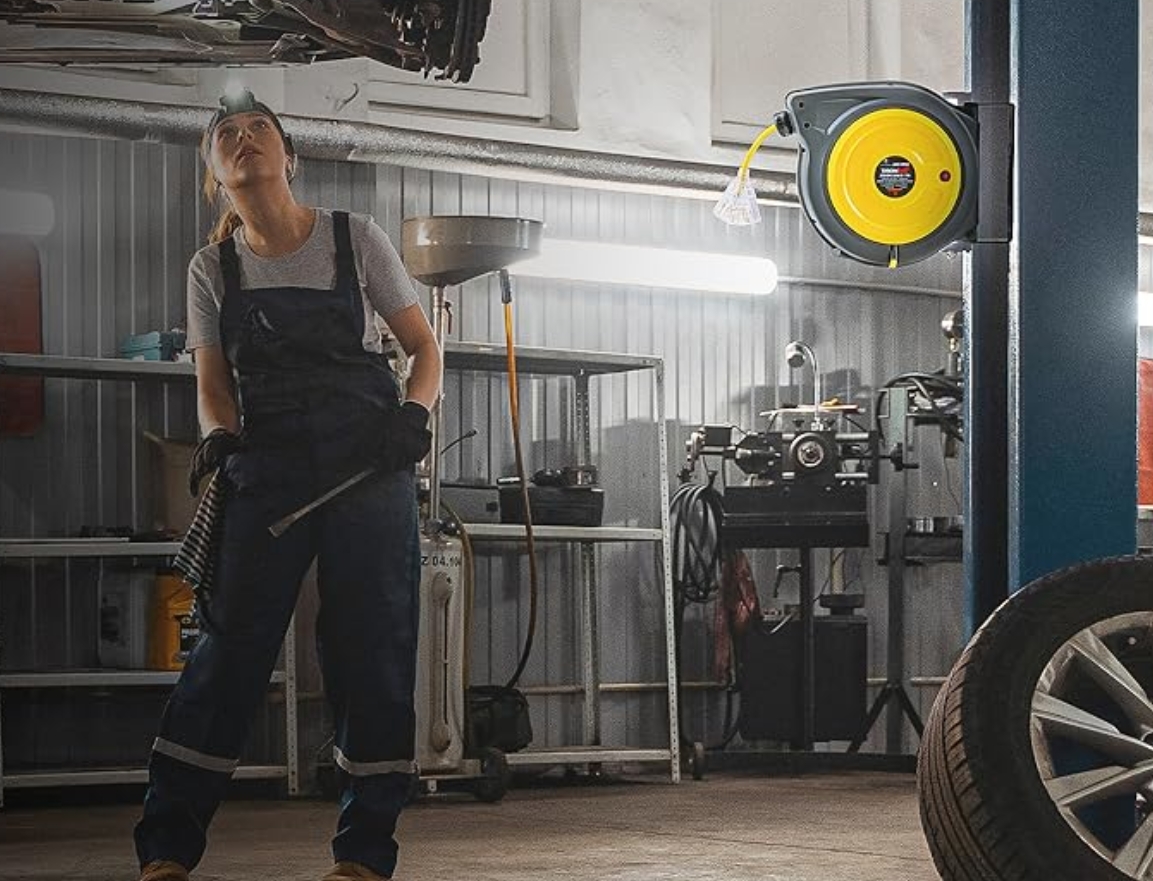
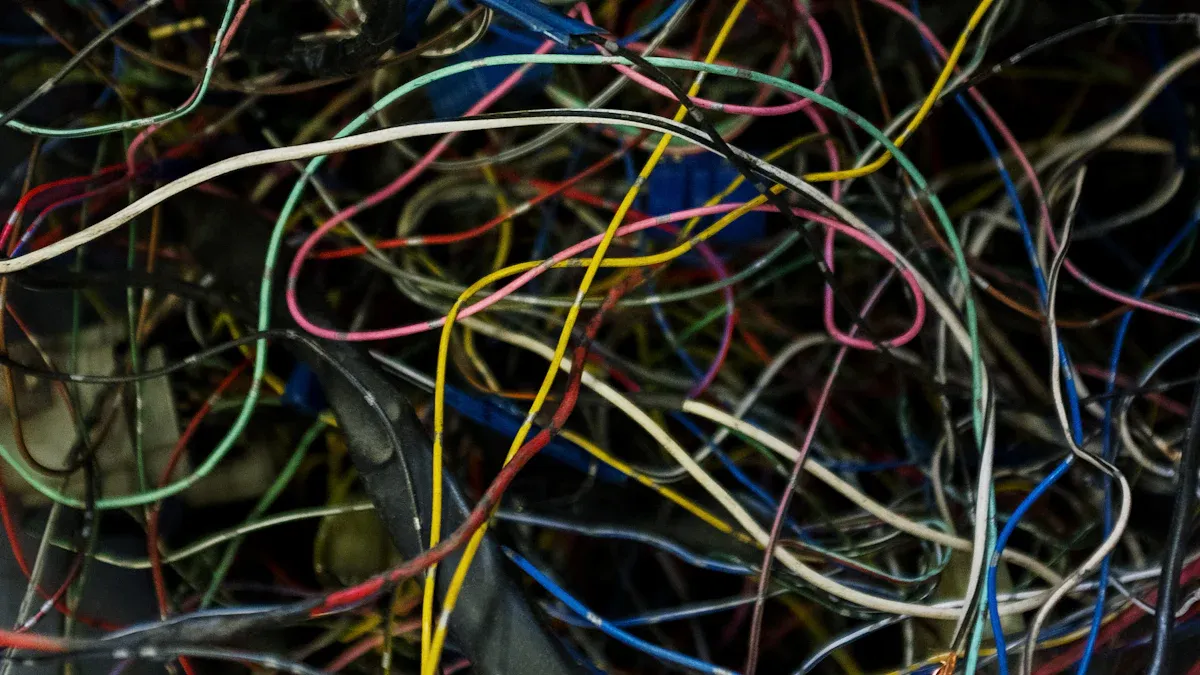
You can prevent overheating and tangling by using the right winding methods. Always pull the cord gently to the length you need. Do not overextend the cord past its design limit. Use the locking mechanism on your reel to keep the cord at the right length. This step helps with cable management and keeps your cords from retracting unexpectedly. Regularly check your cords for wear or fraying. Clean your reels and cords to remove dust and debris. Store your reels in a dry, secure place when not in use. Good cable management extends the life of your cords and keeps your home safe.
-
Use cable clips or sleeves to keep cords organized.
-
Coil cables loosely to avoid internal wire damage.
-
Label cords for easy cable management.
-
Avoid overstretching or pinching cords under heavy items.
Proper cable management reduces the risk of overheating and makes your cords last longer.
Over/Under Coiling Method
The over/under coiling method is a smart way to manage your cords. This technique uses alternating loops to prevent twists and kinks. You start with one loop in one direction, then make the next loop in the opposite direction. Many professionals use this method for cable management because it keeps cords tangle-free and easy to unwind. Over/under coiling also protects the internal wires and helps your extension cord reel work smoothly. When you use this method, you spend less time untangling cords and more time getting things done.
Avoid Covering Cords
Never cover extension cords with rugs, carpets, or furniture. Covering cords traps heat and stops it from escaping. This heat can melt the insulation and increase the risk of fire. Good cable management means keeping cords visible and uncoiled during use. Do not run cords under doors or bend them while they are plugged in. Always unplug cords when you finish using them. Store cords in a cool, dry place and keep them away from heat sources. These steps help you avoid overheating and keep your home safe.
Remember: Safe cable management means no hidden cords and no extra heat.
You make your home safer by using extension cord reels the right way. Check your extension cord reels often and keep them dry. The table below shows how these good habits help you:
|
Maintenance Practice |
Impact on Safety and Lifespan |
|---|---|
|
Regular Inspection |
Cuts cord reel failure by half |
|
Keeping Cord Reel Clean & Dry |
Makes cord reels last longer by 30% |
|
Proper Winding |
Stops wires inside from breaking |
|
Avoiding Overloading |
Lowers electrical risks by 25% |
|
Proper Storage (Dry Place) |
Helps cord reels last longer |
|
Lubrication of Moving Parts |
Keeps the reel working smoothly |
Pick strong extension cord reels and use these tips. Check your extension cord reels and storage now.
FAQ
How often should you check your extension cord reel for damage?
You should check your extension cord reel before every use. Look for cracks, frayed wires, or broken parts to keep your home safe.
Can you use an extension cord reel outdoors?
You can use an extension cord reel outdoors if it has a weatherproof rating. Always check the label for outdoor use and keep it away from water.
What should you do if your extension cord reel gets wet?
Unplug the extension cord reel right away. Let it dry completely before using it again. Water can cause electric shock or damage the cord.
