

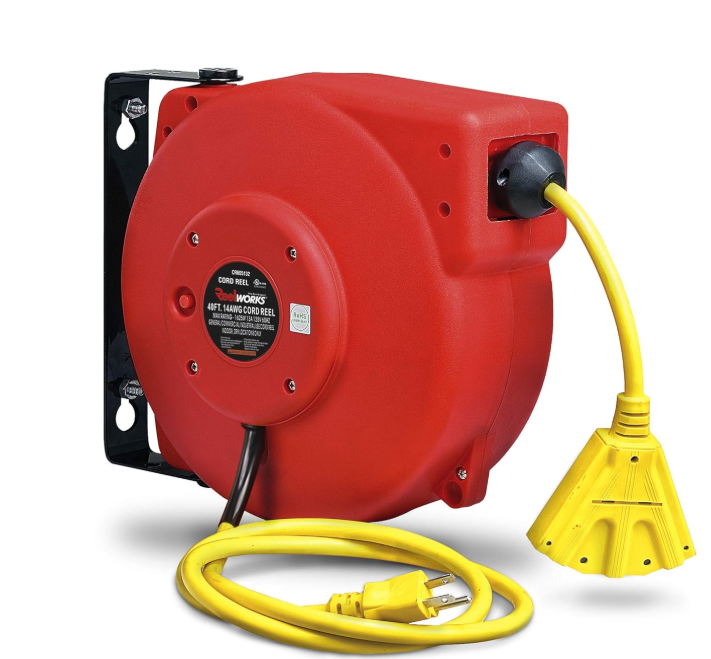
Choosing the right extension cable reel keeps you safe and helps you work well. You must pick features that fit your workspace and power needs. Many people make mistakes when they choose a reel. Some use the wrong cord length or gauge. Others ignore safety features. Some forget to think about the environment. To stop these problems, check all things before you buy an extension cord reel. Using an extension cord reel helps you stay organized and safe. Always pick features that match your tasks and protect your tools.
Tip: Check your extension cord reel often and store it the right way. This helps you get more use from it and makes it last longer.
Key Takeaways
Pick an extension cable reel with the right cord length. Make sure the wire gauge fits your tools and workspace. This helps keep you safe and makes things work well.
Check for safety features like overload protection. Circuit breakers and GFCI outlets help stop electrical dangers. These features keep you safe.
Choose reels made from strong materials. Make sure they can handle bad weather. Good build quality means the reel will last a long time.
Use extension cord reels that are easy to use. Wall-mount or portable designs help keep your workspace neat. This also helps keep you safe.
Check your extension cable reel often. Clean it and store it the right way. This helps it last longer and keeps it working safely.
Extension Cable Reel Features
Choosing the right extension cord reels means looking closely at three main features: cord length, wire gauge, and voltage rating. Each of these affects how safe and useful your extension cable reel will be in your workspace.
Cord Length
Cord length is one of the first things you notice when picking an extension cord reel. The right length lets you reach every corner of your garage, workshop, or yard. If you pick a cord that is too short, you may not reach your tools. If you choose one that is too long, you risk voltage drop and tripping hazards.
Longer cords give you more reach but can cause voltage drop. This means your tools may not work as well, and the cord can get hot.
Thicker wire gauges (lower numbers) help prevent overheating with longer cords.
Always measure the distance from your power source to your work area before buying an extension cord reel.
Retractable cord reels let you use only the length you need. This keeps your workspace tidy and safe.
Mounting your cord reel high and using automatic rewind features helps keep cords off the floor and reduces accidents.
Tip: Only unroll as much cord as you need. This keeps your extension cord from getting tangled and helps prevent overheating.
Wire Gauge
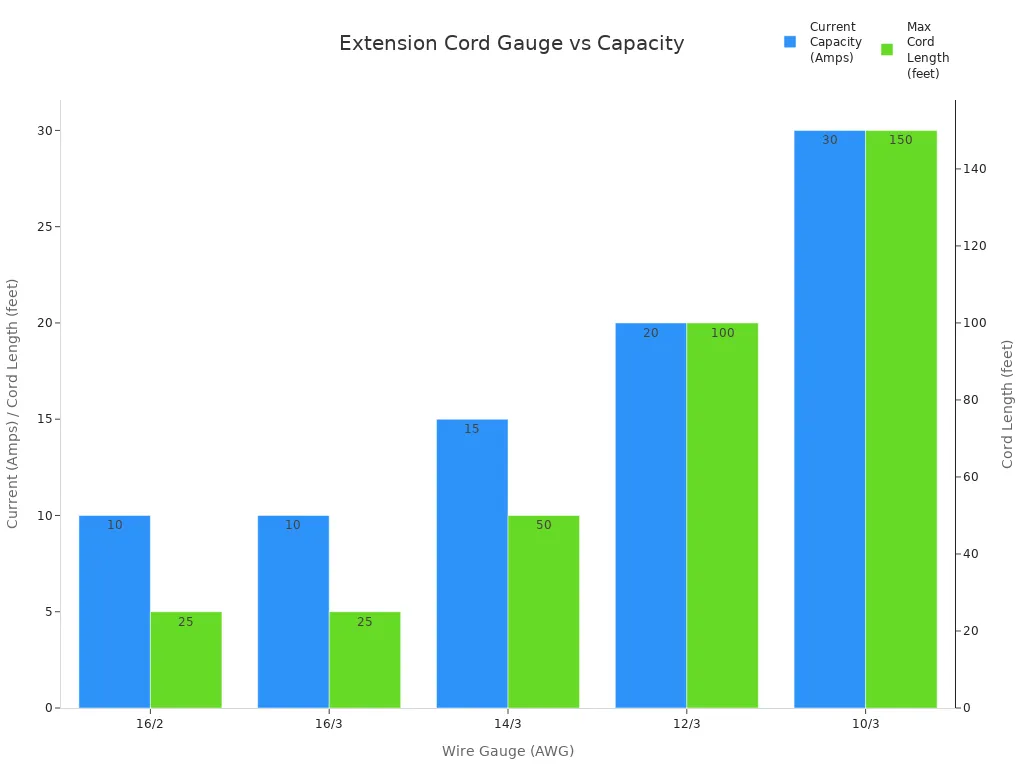
Wire gauge tells you how thick the wires are inside your extension cord. Thicker wires (with lower gauge numbers) carry more power safely. Using the right wire gauge is important for both safety and tool performance.
Wire Gauge (AWG) |
Typical Use |
Max Safe Amps (up to 25 ft) |
Max Safe Amps (up to 150 ft) |
|---|---|---|---|
12-gauge |
Heavy-duty tools |
16 to 20 amps |
11 to 15 amps |
14-gauge |
Medium-duty tools |
Lower than 12-gauge |
N/A |
18-gauge |
Light-duty tools |
N/A |
N/A |
For most power tools, a 14-gauge extension cord works for short runs up to 25 feet. For longer distances or heavy-duty tools, use a 12-gauge or even a 10-gauge commercial-grade extension cord. Always match the wire gauge to your tool’s power needs. If you use a cord that is too thin, it can overheat and become a fire risk.
Note: Always unroll the full length of your extension cord reel before using high-power tools. This helps prevent the cord from overheating.
Voltage Rating
Voltage rating tells you how much electrical pressure your extension cord reel can handle. Most residential extension cord reels use 125 volts and support 15 to 20 amps. This is enough for most home tools and appliances. For commercial or industrial settings, you may need a commercial-grade extension cord with a thicker wire gauge and higher amp rating.
Extension cord reels for home use often use 12-gauge wires, which are safe for heavy-duty tools. In workshops or job sites, you may need a 10-gauge cord reel to handle bigger equipment. Both types usually keep the same voltage rating, but the wire gauge and amp rating go up for tougher jobs.
Common Mistakes to Avoid
Many people make mistakes when choosing extension cord reels. Here are some common problems:
Picking a cord that is too long or too short for your needs.
Using a wire gauge that is too thin for your tools.
Overloading the extension cord reel by plugging in too many devices.
Not checking the voltage and amp ratings before use.
Using indoor extension cord reels outside, which can lead to safety risks.
Always check the label on your extension cord reel. Make sure it matches your tool’s power needs and the environment where you will use it.
Choosing the right cord length, wire gauge, and voltage rating keeps your workspace safe and your tools running well. A commercial-grade extension cord with the right features will last longer and protect you from electrical hazards. Remember to use extension cord reels that fit your specific tasks, whether you work indoors or outdoors.
Quality and Build
Materials
When you pick a commercial-grade extension cord, look at what it is made of. Good extension cable reels use stainless steel, aluminum, or strong plastics like PVC and ABS. Metal reels can hold heavier and thicker cables. Special coatings stop rust and corrosion. Plastic reels made from tough stuff like polypropylene or ABS are best for lighter cables and indoor jobs. Weather-protected covers or sealed cases keep out dust and water. These things help your reel work well and last longer. You should also find sealed connectors and powder-coated finishes for extra protection.
Impact Resistance
A commercial-grade extension cord needs to handle rough places. Impact-resistant cases protect the reel from drops and bumps. Strong plastics and metals soak up shocks and stop cracks or dents. UV protection and weather-resistant covers keep out sun, rain, and chemicals. If you use your reel outside or in a workshop, check for NEMA or IP ratings. These ratings show how well the reel fights dust, water, and damage. Impact resistance helps your extension cord reel stay safe and work well, even in hard places.
Safety Features
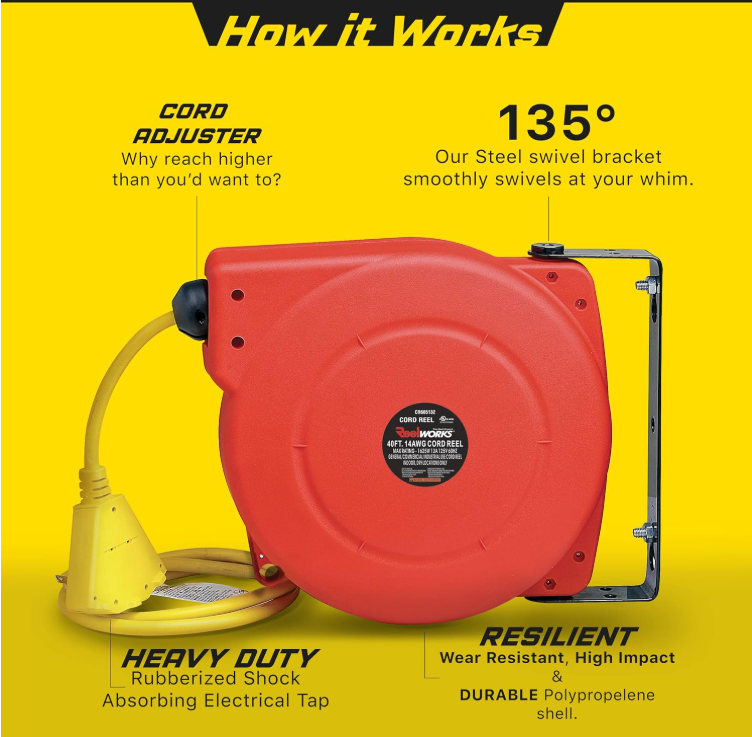
When you pick extension cord reels, look for safety features. These features help keep you, your tools, and your workspace safe from electrical problems. Good extension cord reels have many ways to stop hazards. You should always check for these before you buy.
Overload Protection
Overload protection is a very important safety feature in extension cord reels. It stops too much electricity from going through the cord. If you plug in too many things or use a tool that needs more power than the cord can give, overload protection will turn off the power. This keeps the cord from getting too hot and helps prevent fires.
Many extension cord reels have resettable circuit breakers. These breakers shut off when there is too much power. After you fix the problem, you can turn the breaker back on and use the reel again. Some reels also have thermal protection sensors. These sensors watch the heat and turn off the reel if it gets too hot. This extra protection keeps you safe when you use a lot of power.
Tip: Always look for overload protection on the label. This feature is needed if you use power tools or lots of devices.
Circuit Breakers
Circuit breakers are another important part of extension cord reels. They quickly stop electricity during short circuits or overloads. Some extension cord reels have Ground Fault Circuit Interrupters (GFCIs). GFCIs find small leaks of electricity and turn off the power fast. This helps stop shocks, fires, and overheating, especially in wet or risky places.
You should get extension cord reels with GFCI outlets if you use them outside or in wet spots. OSHA says GFCIs are good for extra safety. Circuit breakers and GFCIs work together to give you strong protection from electrical dangers.
Key safety features to look for in extension cord reels:
Overload protection to stop overheating and fire risks
Resettable circuit breakers for easy recovery after an overload
GFCI outlets for shock protection in wet areas
Thermal protection sensors to prevent dangerous temperatures
By picking extension cord reels with these safety features, you keep yourself and your equipment safe. Always make safety the most important thing when you work with electricity.
Ease of Use and Storage
Reel Mechanism
When you choose extension cord reels, the reel mechanism makes a big difference in your daily tasks. You can pick between manual and automatic mechanisms. Manual cord reel systems need you to wind the cord by hand. This gives you full control over speed and tension, which helps prevent kinks. Manual reels have fewer moving parts, so they last longer and need less maintenance. However, they take more time and effort.
Automatic cord reel systems use a spring or motor to retract the cord. You only need to give a gentle pull, and the cord winds back quickly. This brings great convenience, especially if you use your extension cord reels often. Automatic reels save time and reduce physical strain. Many automatic models include a stop-anywhere lock, so you can pull out just the length you need and keep the cord in place. The tangle-free design of these reels keeps your workspace neat and safe.
Wall Mountable
Wall-mountable extension cord reels bring order and safety to your workspace. When you mount your cord reel on the wall, you keep cords off the floor. This reduces tripping hazards and keeps your area tangle-free. A wall-mounted cord reel system saves space and makes your cords easy to reach. You can pull out the cord to the length you need and let the tangle-free design keep everything neat.
Wall mounting keeps cords organized and prevents clutter.
You free up valuable floor space for tools and movement.
The tangle-free design of wall-mounted extension cord reels means you never deal with messy piles of cords.
You can install the reel at a height that makes it easy to use without bending or stretching.
Note: Always secure your cord reel with the right brackets to prevent accidents.
Portability
Portability matters when you move extension cord reels between jobs or rooms. Lightweight materials like aluminum or strong plastics make a cord reel easy to carry. Many extension cord reels have handles or straps for quick transport. The tangle-free design and retractable mechanism let you pack up fast without knots or mess. Some models include cord clips or hooks to keep everything tidy on the go.
To store your cord reel safely and keep it portable:
Coil cords loosely to avoid sharp bends.
Use cord reel systems or hooks to hang cords and prevent damage.
Store in dry places to avoid moisture.
Inspect cords before and after use for wear.
A portable, tangle-free extension cord reel gives you convenience and flexibility for any project.
Electric Extension Cord Reel for Outdoors
Maintenance
Taking care of your extension cord reels keeps them safe and working well outside. You should look at the cord and reel for damage before each use. Check for fraying, cracks, or rust. Clean and dry your extension cord after every job to stop rust and electrical problems. Wind the cord the right way so you do not hurt the wires inside.
Follow these steps for best results:
Be gentle with your extension cord reel to avoid damage inside.
Never use more power than the reel allows to stop overheating.
Keep cords clean and dry, especially after using them outside.
Look for frayed wires, cracks, or broken parts and fix or replace them.
Store your extension cord reel in a dry, clean place away from sun and water.
Put oil on moving parts like the spring to keep the reel working well.
Most problems with outdoor extension cord reels happen because of damage, using too much power, or bad storage. Checking and cleaning your reel often can stop half of these problems. By following these tips, you make your extension cord reels safer and help them last longer.
Note: Always unwind your extension cord all the way before using it to stop overheating and fire risk.
When picking an extension cable reel, look for safety features. Circuit breakers and grounded outlets help keep you safe. Choose a reel made from strong materials. This makes it last longer and stand up to bad weather. Find a reel that is easy to use. Retractable cords and locks make things simple. Make sure the reel works with your workspace and tools. Look at the cord length and electrical ratings too. Take care of your reel often to keep it safe. These steps help you pick a reel that fits your needs and protects your equipment.
FAQ
What is the best way to store an extension cable reel?
You should store your extension cable reel in a dry place. Keep it off the ground to avoid water and dirt. Always wind the cord neatly to prevent tangles and damage.
Can I use an indoor extension cable reel outside?
No, you should not use an indoor extension cable reel outside. Outdoor reels have weather-resistant features. Indoor reels do not protect against rain or dust.
How do I know if my extension cable reel is overloaded?
Most extension cable reels have a built-in circuit breaker. If the reel stops working, check the breaker. Unplug some devices and reset the breaker before using it again.
Why does wire gauge matter for extension cable reels?
Wire gauge shows how thick the wire is. Thicker wires carry more power safely. Using the right gauge prevents overheating and keeps your tools running well.
How often should I inspect my extension cable reel?
You should inspect your extension cable reel before each use. Look for cracks, frayed wires, or broken parts. Regular checks help you stay safe and keep your reel working longer.
