

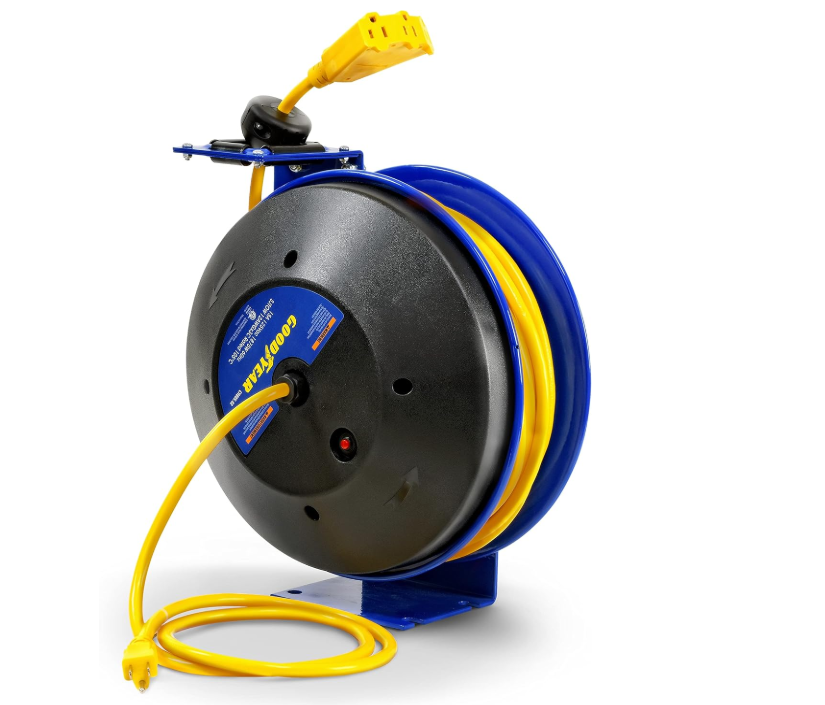
Safe installation of a wall-mounted extension cord reel begins when you choose a strong place. You need to get the right tools. You should follow clear steps. You keep yourself and others safe by putting up the reel the right way. You must follow all instructions. Many people use these reels to keep cords neat. This helps stop people from tripping. It also keeps cords from getting hurt. Locking features and cord guides make things even safer. They help keep things organized. Watching out for extension cord safety at home makes your space safer. It also makes your space more organized.
Key Takeaways
Pick a sturdy wall with studs or a solid surface. This helps you mount your extension cord reel safely. - Collect all the tools you need and use the correct hardware. This makes sure your installation is safe and steady. - Put the reel close to an outlet and far from dangers. Keep it away from water, heat, or places people walk. This keeps your area safe. - Follow each step in the instructions when you mark, drill, mount, and attach the reel. - Check the cord often, do not overload it, and keep the reel dry. This helps you use it safely and for a long time.
Tools and Materials
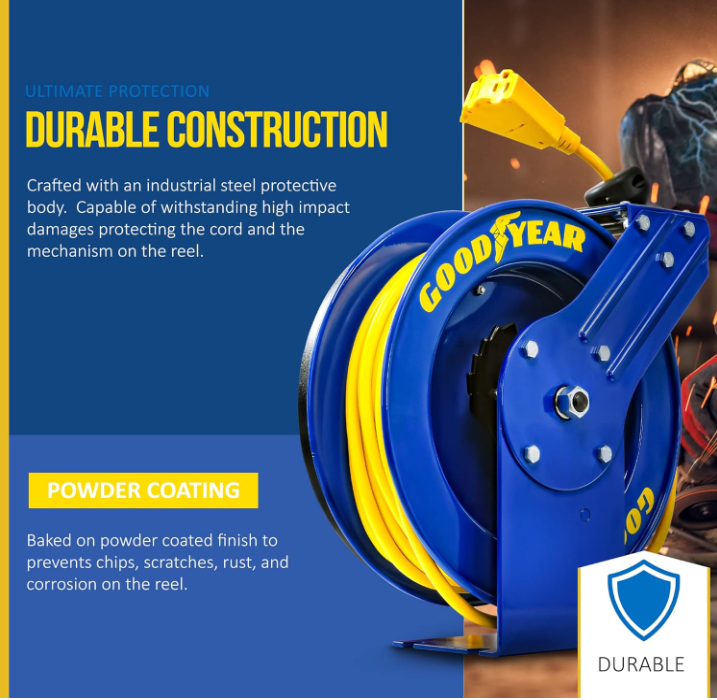
Before you start installing your wall-mounted extension cord reel, gather all the tools and materials you need. Having everything ready helps you work safely and finish the job faster. This section will guide you through the essential tools and recommended hardware for a smooth installation.
Essential Tools
You need a few basic tools for this project. Most of these tools are common in many homes and workshops. Here is a list to help you prepare:
Drill: You use a drill to make holes in the wall for the mounting hardware.
Screwdriver: Choose a screwdriver that matches the screws you plan to use.
Level: A level helps you keep the reel straight on the wall.
Measuring Tape: You measure distances to ensure proper placement.
Pencil or Marker: Mark the spots where you will drill.
Stud Finder: This tool helps you locate wall studs for a secure mount.
Safety Glasses: Protect your eyes while drilling or working with hardware.
Work Gloves: Gloves keep your hands safe from sharp edges or debris.
Tip: Always wear safety glasses and gloves when using power tools. Safety comes first.
Recommended Hardware
The right hardware keeps your extension cord reel secure and stable. You should match the hardware to your wall type and the weight of the reel. Here is a table to help you choose:
Hardware Type |
Use Case |
Notes |
|---|---|---|
Wood Screws |
Mounting on wood studs |
Use with a stud finder |
Masonry Anchors |
Mounting on brick or concrete |
Pre-drill holes for anchors |
Toggle Bolts |
Mounting on drywall |
Use if no stud is available |
Washers |
Distribute load on screws |
Prevents damage to wall |
Check the instructions that come with your extension cord reel. Some products include their own mounting hardware. If you use your own, make sure it can support the weight of the reel and the cord. Always double-check the wall for hidden wires or pipes before drilling.
Note: Using the correct hardware prevents accidents and keeps your installation safe for years to come.
Choosing a Location
Selecting the right spot for your extension cord reel keeps your workspace safe and organized. You want to make sure the reel stays secure and works well for your needs. Think about the wall’s strength, how close you are to an outlet, and what hazards you should avoid.
Wall Strength
You need a strong wall to support the weight of your extension cord reel. Drywall alone may not hold the reel, especially when you pull on the cord. Use a stud finder to locate a wall stud or choose a solid surface like brick or concrete. Secure mounting keeps the reel from falling or shifting.
Check for wall studs before drilling.
Use anchors or bolts for brick or concrete.
Make sure the wall can handle the weight of the reel and the cord.
Tip: Always test the wall by pressing on it. If it feels weak or hollow, find a stronger spot.
Outlet Proximity
Place your extension cord reel close to a power outlet. This setup lets you plug in the reel without stretching the cord. You avoid extra slack and keep the area tidy. Measure the distance from the outlet to your chosen spot before you start.
Keep the reel within easy reach of the outlet.
Avoid using extra extension cords to connect the reel.
Make sure the cord length fits your workspace.
If you have different mounting options, such as wall or ceiling, pick the one that keeps cords off the floor and away from walkways.
Avoiding Hazards
You want to keep your workspace safe by avoiding common hazards. Never install the reel in wet or damp areas unless it has weatherproof protection. Keep the reel away from heat sources and direct sunlight. Do not place cords across walkways or doorways, as this can cause trips and falls.
Stay clear of water, heat, and crowded spots.
Mount the reel high enough to keep cords off the ground.
Check for hidden pipes or wires before drilling.
Note: A well-placed extension cord reel helps prevent accidents and keeps your area neat.
Extension Cord Reel Installation
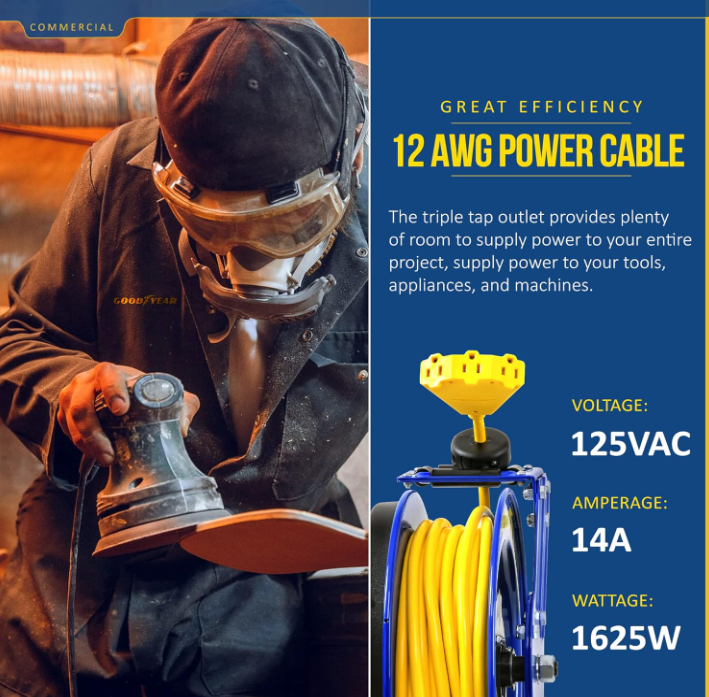
Installing your extension cord reel the right way helps you keep your workspace safe and organized. Follow these steps to make sure your installation is secure and meets all safety standards.
Marking and Drilling
Start by checking the wall or ceiling where you want to mount the extension cord reel. Make sure the surface is strong enough to hold the weight. Use a stud finder to locate a solid beam or stud. This step gives your reel a sturdy base.
Hold the mounting bracket against the wall at your chosen spot.
Use a pencil or marker to mark the screw holes through the bracket.
Double-check that the bracket is level before you drill.
Select the right drill bit size for your wall type. For drywall, a 3/16-inch bit works well. For wood, you may not need wall anchors.
Drill the holes in a straight line. Keep the holes no more than 6 inches apart for a secure fit.
If you need to make the holes bigger, use a mounting plate for extra support.
Tip: Always check for hidden wires or pipes before drilling. This step protects you and your home.
Mounting the Bracket
Now you can attach the bracket to the wall. Use the hardware that came with your extension cord reel, or choose screws and anchors that match your wall type.
Line up the bracket with the holes you drilled.
Insert the screws through the bracket and into the wall or stud.
Tighten the screws until the bracket feels firm and does not move.
Use washers if needed to spread the load and protect the wall.
Make sure the bracket sits flat and level.
Note: Never mount the bracket on drywall alone. Always use a stud or solid surface for safety.
Attaching the Reel
Once the bracket is secure, you can attach the extension cord reel.
Slide the reel onto the mounted bracket. Some reels use a set screw or locking pin to hold them in place.
Make sure the reel clicks or locks onto the bracket so it cannot fall.
If your reel has a swivel bracket, check that it moves smoothly and stays in position.
For smaller reels, you may need extra brackets for a tight fit.
Adjust the cord stopper if needed so the cord stops at the right length.
Safety Check: Before you use the reel, inspect the cord for any damage. Look for cuts, frayed wires, or loose plugs. Make sure the cord is dry and clean.
Testing the Reel
After you finish mounting, test the extension cord reel to make sure it works safely.
Pull the cord out slowly. The reel should unwind smoothly without sticking.
Lock the cord at different lengths to check the locking mechanism.
Let the cord retract. Watch for smooth, controlled movement.
Plug in a device and check for power. Make sure the cord does not get hot during use.
Feel along the cord for any warm spots. This could mean overloading or damage.
Check the plug and prongs for signs of wear or corrosion.
Make sure the cord’s rating matches your device’s power needs.
Reminder: Only use your extension cord reel in dry areas unless it is rated for wet locations. Always follow the product manual for special instructions.
By following these steps, you help ensure the safety of your workspace. A properly installed extension cord reel keeps cords off the floor, reduces tripping hazards, and makes your power supply easy to manage.
Using Extension Cord Reels Safely
Electrical Safety
You protect yourself and your home by following good extension cord safety habits. Always keep your cord reel dry. Water and electricity do not mix. If you need to use the reel in a damp area, choose one with GFCI protection. This feature helps prevent shocks by cutting power if it senses a problem. Before using extension cord reels, check the cord for damage. Look for frayed wires, loose plugs, or cracks. Never use a damaged cord. Unplug the reel when you finish using it. Pull the plug, not the cord, to avoid damage inside the reel. Do not run cords under rugs or furniture. This can hide damage and cause overheating.
Tip: Always fully unwind the cord before use. A coiled cord can get hot and cause a fire.
Preventing Overload
Avoiding overload is key to safe use. Each cord reel has a maximum load rating, usually shown in amps or watts. For most wall-mounted reels, the limit is about 13 amps at 125 volts. Add up the power of all devices you plan to plug in. Make sure the total does not go over the reel’s rating. Using extension cord reels with built-in overload protection or circuit breakers adds another layer of safety. Never plug one extension cord into another. This practice, called daisy-chaining, increases the risk of overheating and fire.
Regular Inspection
You keep your workspace safe by checking your cord reel often. Before using extension cord reels, inspect the cord and plug for signs of wear. Replace the reel if you see damage. Do not try to fix it with tape or glue. Store the reel in a cool, dry place. Avoid extreme heat or cold, which can damage the cord. Mounting the reel on a wall or ceiling keeps cords off the floor and reduces tripping hazards. Always use extension cord reels rated for your environment, whether indoors or outdoors. Regular inspection and proper storage help you get the most from your reel and keep your area safe.
Note: Good extension cord safety means checking your equipment, using it the right way, and storing it properly. These habits protect you and your home.
You can put up and use your extension cord reel safely if you follow some simple steps. Always put the reel on a strong wall or surface. Plug it into the right outlet. Look at the cord to see if it is broken. Unroll the cord all the way before you use it. Never use more power than the reel can handle. Keep the reel clean and dry so it stays safe. If you are not sure what to do, read the product manual or ask an expert. Doing these things helps make your workspace safer and neater.
FAQ
How do you know if your wall can support an extension cord reel?
You should check for wall studs or use a solid surface like brick. Press on the wall to test its strength. Use a stud finder for best results.
Can you use an extension cord reel outdoors?
You can use it outdoors only if the reel has a weatherproof rating. Look for IP or NEMA ratings on the product. Keep the reel dry and away from rain.
What should you do if the cord does not retract smoothly?
First, unplug the reel. Pull the cord out fully and let it retract again. If it still sticks, check for tangles or dirt. Clean the reel if needed.
How often should you inspect your extension cord reel?
You should inspect the reel before each use. Look for frayed wires, cracks, or loose plugs. Regular checks help you stay safe and keep the reel working well.
