

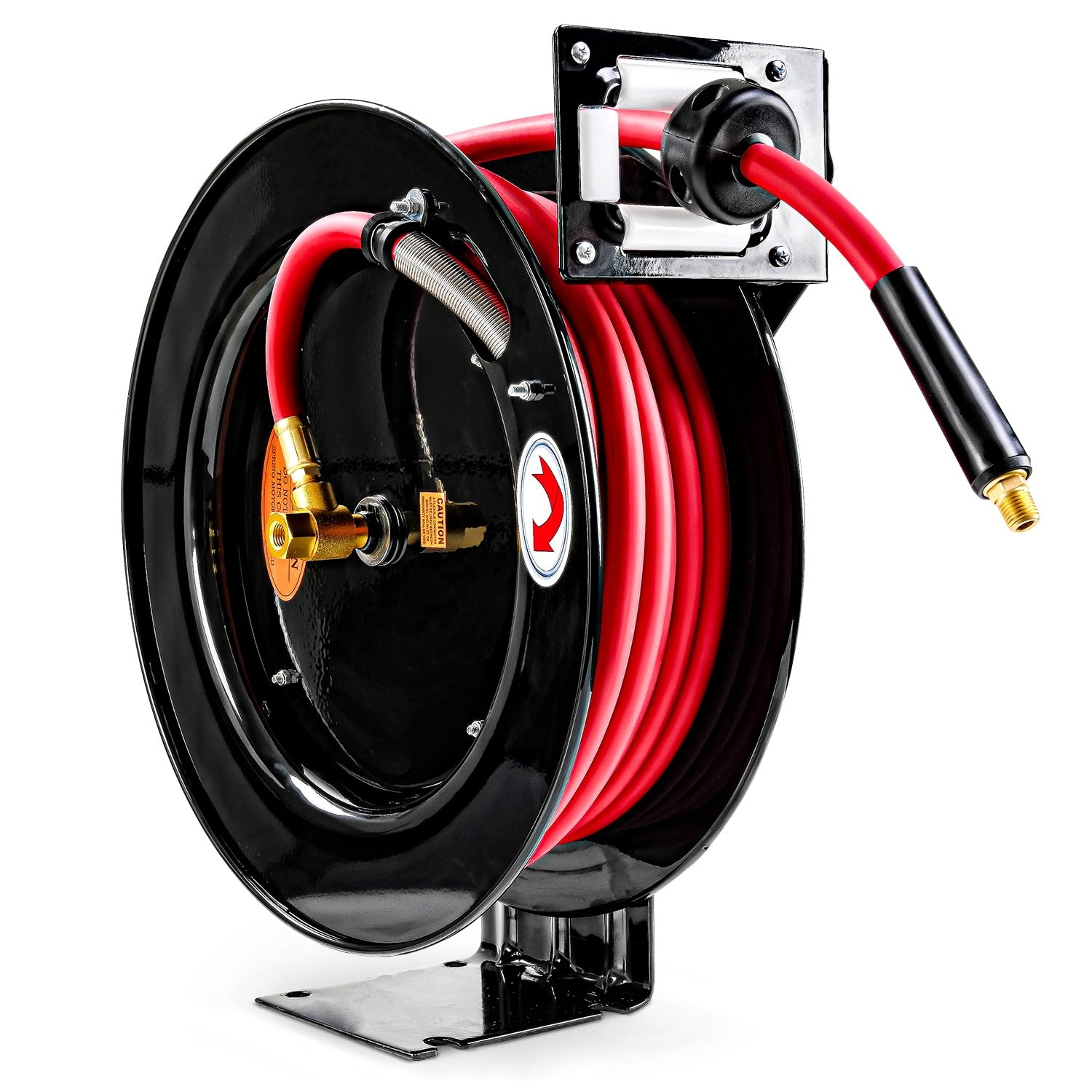
You want your workshop to run smoothly, right? Picking the right air hose reel makes a big difference. It keeps your space safe and organized, so you spend less time untangling hoses and more time working. With so many different types and features out there, you can find a reel that fits how you work and what your space needs.
Key Takeaways
Match your air hose reel to how often and where you use it to save money and work safely.
Pick the right mounting type and location to keep your workspace organized and safe.
Select hose materials and designs that fit your work environment and protect your hose from damage.
Buy from a reliable supplier with good support and warranty to ensure long-term satisfaction.
Assess Your Needs
Usage Frequency
Before you pick a hose reel, think about how often you will use it. If you only use your air tools once in a while, you can go with a basic professional model. This type works well for small workshops or home garages. You do not need anything too fancy for light jobs.
If you use air tools every day, you need something stronger. An industrial hose reel is a smart choice here. It can handle more wear and tear. You will not have to worry about it breaking down when you need it most.
For shops that run all day or have lots of workers, you want the toughest option. A heavy-duty model or even an extra-heavy-duty model will last longer and stand up to rough use. These reels are built for busy places where the hose gets pulled and used a lot.
Tip: Match your hose reel to how much you use it. This helps you save money and avoid problems later.
Workspace and Applications
Now, look at your workspace. Is it big or small? Do you work in a garage, a factory, or outside on a job site? The right industrial hose reel depends on where you use it.
If you work in a tight space, you might want a wall-mounted or ceiling-mounted reel. This keeps the hose off the floor and out of your way. In bigger shops, a floor-mounted reel can give you more reach. Some industrial hose reels can even pivot, so you can pull the hose in any direction.
Think about what you do every day. If you work with cars, an industrial hose reel with a long hose helps you reach all sides of a vehicle. In factories, you may need a heavy-duty model that can handle lots of pressure and long hours. For construction, you want a reel that is easy to move and can take a beating.
You can also look at market reports to see how different hose reels perform in different places. These reports use real data from many types of shops—like automotive, industrial, and construction. They compare things like mounting style, hose length, and how well the reel holds up over time. This helps you see which industrial hose reel works best for your kind of work.
Note: Choosing the right hose reel for your workspace makes your job safer and faster. You will spend less time fixing problems and more time getting things done.
Air Hose Reel Retraction
Manual vs Automatic
When you look at different types and features, you will see two main retraction systems: manual and automatic. Manual air hose reels use a hand crank. You control how fast the hose winds up. This gives you more mobility. You can move the reel around your shop or even take it to a job site. Manual reels do not snap back suddenly, so you lower the risk of injury. They also cost less and need less maintenance. If you have a small shop or only use air tools sometimes, a manual reel works well.
Automatic reels use a spring to pull the hose back in. You just give the hose a tug, and it retracts quickly. These reels must stay mounted on a wall, ceiling, or floor. Automatic reels save time and keep your workspace tidy. They work best in busy shops where you use air tools all day. You do not have to wind the hose by hand, so you get more done. Many shops in the automotive and industrial fields now use automatic reels for better efficiency and safety.
Tip: Choose a manual reel for light, mobile work. Pick an automatic reel for heavy, daily use and fast cleanup.
Safety and Maintenance
Keeping your air hose reel in good shape keeps you safe and your tools working longer. You should set up a simple maintenance schedule. Try these steps:
Check the reel and hose every day for damage or leaks.
Clean the area around the reel each week. Remove dust and debris.
Lubricate moving parts once a month.
Wear gloves and eye protection when you do any maintenance.
Always turn off and lock the reel before you start repairs.
Never take off safety guards unless you are fixing the reel, and put them back right after.
Keep a log of all maintenance tasks.
These habits help prevent accidents and keep your equipment running smoothly. If you ever find a big problem, call a professional for repairs. Regular care means fewer breakdowns and a safer workshop.
Installation and Mounting
Location Options
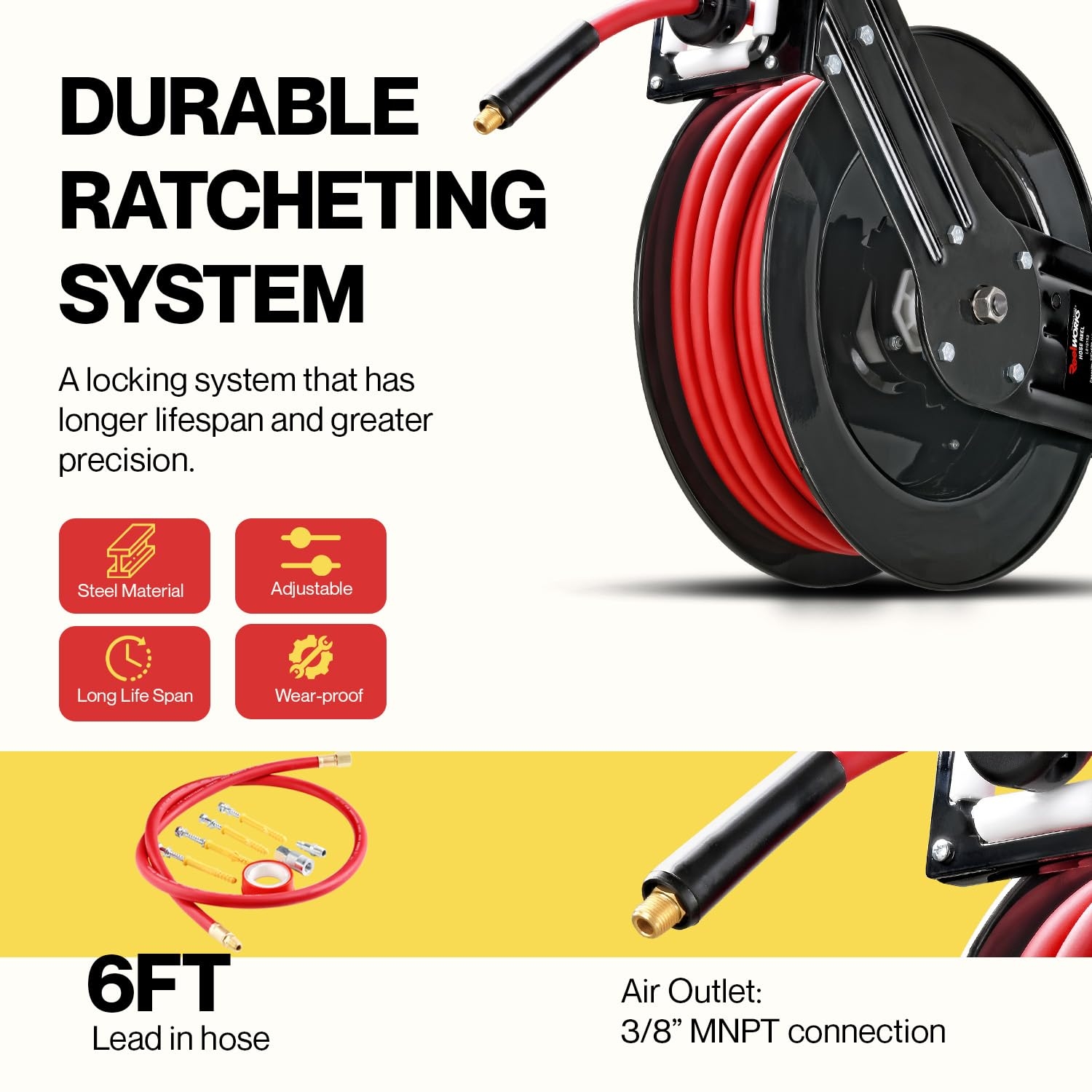
Where you put your hose reel matters a lot. You want it close to where you work, but also out of the way. Think about your space and how you move around. Here’s a quick look at common mounting types and what they do best:
Mounting Type |
Practical Benefit for Location/Workspace |
|---|---|
Wall-Mounted |
Saves space and keeps hoses easy to reach in tight spots. |
Ceiling-Mounted |
Great when wall space is full, using overhead space instead. |
Floor-Mounted |
Stays steady for heavy jobs in open areas. |
Portable |
Lets you move the reel around big or outdoor spaces. |
Stationary |
Works well in small, tidy workspaces where you want the hose to stay put. |
If you plan to mount your reel up high, make sure it’s attached very securely. You might want a professional to help with this. In hard-to-reach places, pick a reel that needs little upkeep and lasts a long time. That way, you won’t have to climb up and fix it often.
Tip: Always check your workspace before you choose a mounting spot. The right location makes your work faster and safer.
Hose Reel Materials and Design
Material Selection
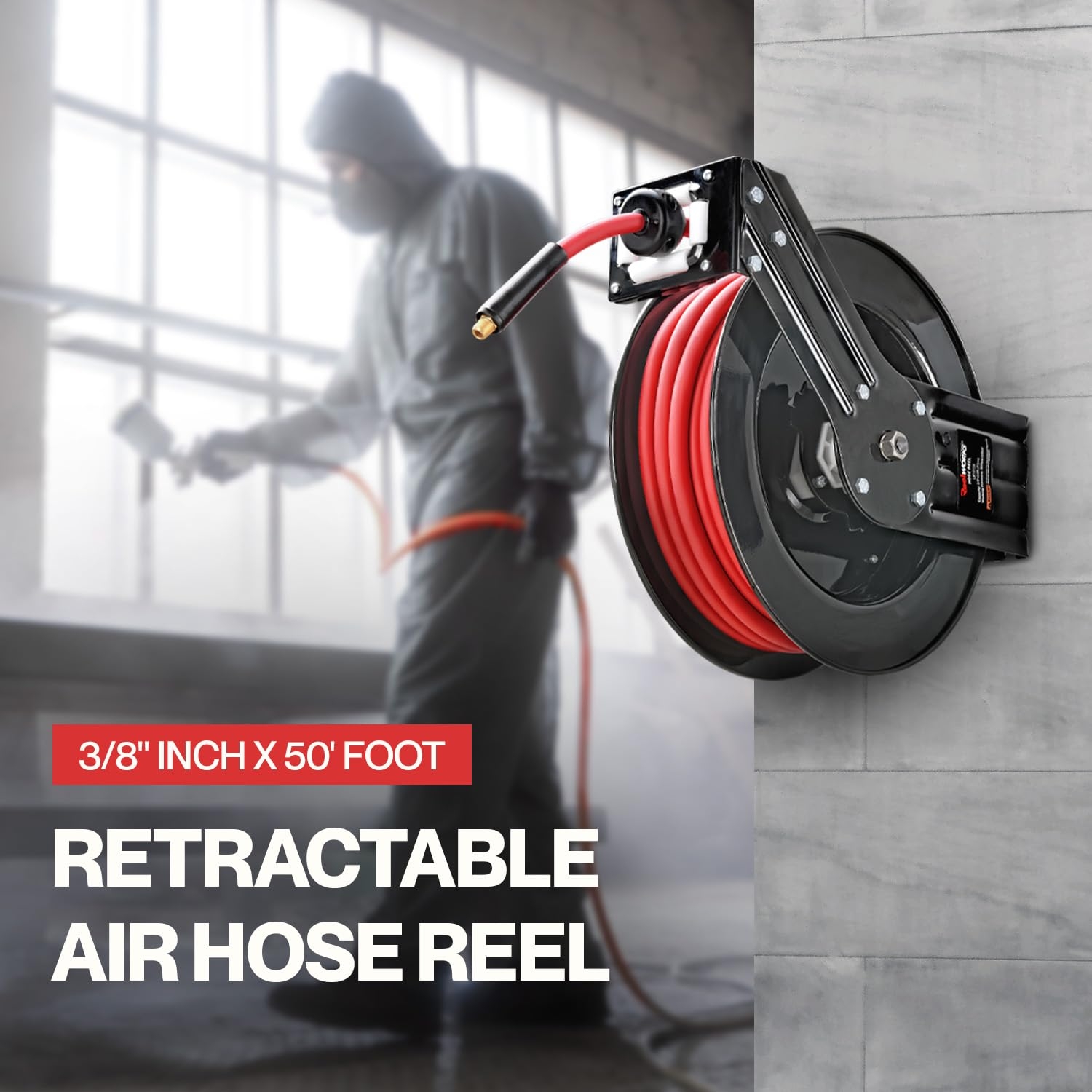
When you pick a hose reel, the material matters a lot. You want something that fits your work and lasts a long time. Each material has its own strengths. Here are some things you should look at:
Abrasion resistance keeps your hose from wearing out fast.
Flexibility helps you move the hose around corners and tight spots.
Temperature tolerance means your hose works in hot or cold weather.
Durability makes sure your hose stands up to daily use.
Pressure rating tells you how much air the hose can handle.
Environmental resistance protects against chemicals and sunlight.
Rubber hoses give you great abrasion resistance and last a long time, but they can get stiff in the cold. PVC hoses feel light and cost less, but they might crimp or kink. Polyurethane hoses stay flexible even in freezing weather and resist damage, but they are a bit less bendy than rubber. Always check the hose diameter and length, too. Bigger hoses let more air through, but they might lower the pressure.
Tip: Choose the material that matches your workspace and how you use your industrial hose reel.
Pressure and Compatibility
Your compressed air hose must handle the pressure your tools need. Always check the working pressure and burst pressure ratings. The working pressure tells you how much pressure the hose can handle all day. Burst pressure is the highest pressure before the hose fails, but you should never get close to this number.
Fittings: Make sure your hose fittings match your tools and compressor. Common sizes are 1/4", 3/8", and 1/2". Brass fittings work well for most jobs. Stainless steel fittings are best if you work with chemicals.
Material Compatibility: The hose and fittings should resist any chemicals or oils in your shop. This keeps your hose safe and long-lasting.
Temperature: Some hoses work better in hot or cold weather. Always check the temperature range before you buy.
Tip: Use the STAMPED method—Size, Temperature, Application, Media, Pressure, Ends, Delivery—to help you pick the right hose for your air hose reel.
Buying With or Without Hose
When you shop for a compressed air hose reel, you can buy it with or without a hose. Each option has its own benefits. Here’s a quick table to help you decide:
Option |
Pros |
Cons |
|---|---|---|
With Hose |
Ready to use, factory-assembled, reliable fit |
May cost more, less choice in hose type |
Without Hose |
Choose your own hose, match exact needs |
Extra setup, risk of mismatched fittings |
If you want a quick setup, pick a reel with a hose included. If you have special needs, like a certain hose material or length, buy the reel and hose separately. Always check that the hose matches the reel’s capacity and fittings.
Choosing a Hose Reel Supplier
Reliability and Support
You want your workshop to run smoothly every day. That starts with picking a supplier you can trust. A reliable supplier gives you more than just a product. You get advice, fast answers to your questions, and help when you need it most. Look for a company that knows about industrial hose reel options and can guide you to the right choice for your space.
Check if the supplier offers after-sales support. Good support means you can call or email and get help quickly. Some suppliers have online resources, like manuals or videos, to help you set up and use your hose reel. Others may offer live chat or phone support. If you ever have a problem, you want to know someone will help you fix it fast.
Tip: Read reviews and ask other workshop owners about their experiences. A supplier with a good reputation usually means fewer headaches for you.
