
Wood Chipper Evolution: A Look Back and Ahead
You might not think about it, but wood chippers are important. They help manage natural resources and reduce waste. In forests, they clear land quickly and turn branches into useful materials. Farmers use wood chippers to break down organic waste for compost. In cities, wood chippers turn tree branches and yard waste into mulch or reusable chips.
Newer models, like the Landworks 3-in-1 Wood Chipper and the GreatCircleUSA 3-in-1 Wood Chipper, work much better. For instance, the closed drum knife design is faster and more efficient. It uses less fuel and makes better-quality chips. These updates help industries work better and protect the environment. When wood is fully used, the carbon impact drops to just 4–12% of the total. Tools like the GreatCircleUSA Mini Wood Chipper and the Landworks Wood Chipper Shredder show how eco-friendly these machines can be, highlighting the benefits of Great Circle Wood Chippers in sustainable practices.
Key Takeaways
-
Wood chippers are important for managing resources and cutting waste. They are used in forests, farms, and cities for recycling.
-
New wood chippers, like those from Landworks, are better designed. They work faster, are safer, and are good for the environment. This saves time and lowers pollution.
-
Picking the right wood chipper depends on what you need. Think about the materials you’ll chip and how big the job is.
-
The wood chipper industry is moving toward being more eco-friendly. Electric models and smart features are becoming more common as people want greener options.
-
Top companies keep improving and making different wood chippers. These machines can handle small garden tasks or big forest jobs.
The Beginnings of the Wood Chipper
Peter Jensen and the First Wood Chipper
The wood chipper story started in 1884. Peter Jensen, a German inventor, made the first one in Maasbüll, Germany. His machine, called the "Marke Angeln," was groundbreaking. It became the base for his company, which built and fixed woodworking machines. Jensen's invention changed how people handled wood. It broke big branches and logs into smaller pieces. This idea led to the modern wood chippers we use now.
Early Use in Forestry and Farming
How were wood chippers first used? In the late 1800s and early 1900s, farmers and foresters quickly adopted them. Farmers turned organic waste into compost or mulch. Foresters used them to clear land faster. These early machines were big and stayed in one place. But they saved time and effort. They also reduced waste by reusing wood. This made wood chippers important for managing natural resources.
Important Steps in Early Growth
Wood chippers kept improving after Jensen's invention. Engineers worked to make them better and more useful. Early ones ran on steam engines. Later, they used internal combustion engines, which were stronger and more dependable. By the mid-1900s, portable wood chippers were invented. These smaller machines could be taken to worksites, making jobs easier. Each upgrade brought wood chippers closer to the eco-friendly versions we have today.
Advancements in Wood Chipper Design
Disc and Drum Chippers: A Comparison
There are two main types of wood chippers: disc-style and drum-style. Each type works differently and fits specific needs. Disc chippers have a big steel disc with blades on it. They make even-sized wood chips, which are great for paper-making. Drum chippers use a spinning drum with many blades. They can handle more wood and are good for tough jobs like clearing land.
Drum chippers cut wood faster because they work nonstop. But disc chippers use less energy and are simpler to care for. Picking the right one depends on what you need, like chip quality or saving money.
Innovations in Safety and Efficiency
Modern wood chippers focus on being safe and working well. New features include automatic feed systems that keep hands away from blades. Emergency stop buttons and shields add extra safety for users.
Efficiency has improved with better blade designs that use less fuel but cut more wood. Closed drum knife systems make finer chips quickly. These updates save time and lower costs. Using these machines makes jobs safer and faster.
Portable and Electric Wood Chippers
Portable and electric wood chippers have changed how people work. They are small, light, and easy to move, perfect for small jobs or city areas. Electric models don’t need fuel, cutting emissions and costs.
Here’s a simple table about portable and electric wood chippers:
|
Feature |
Details |
|---|---|
|
Size |
Small and compact |
|
Efficiency |
|
|
Blades |
1 fixed, 2 spinning |
|
Max wood size |
200 mm |
|
Blade radius |
302 mm |
|
Power needed |
25-50 HP |
|
Speed (PTO RPM) |
540 |
|
Chip size |
Adjustable, 10-30 mm |
These machines chip wood well while using little fuel. They need less work and cost less to run. They’re a smart choice for people who care about the environment.
Tip: Electric wood chippers are great for eco-friendly users. They are portable and help lower your carbon footprint.
Landworks and Modern Innovations
Landworks is a top name in modern wood chippers. Their machines are efficient, reliable, and easy to use. Both homeowners and professionals like them for these reasons. These improvements make wood chipping safer and simpler for everyone.
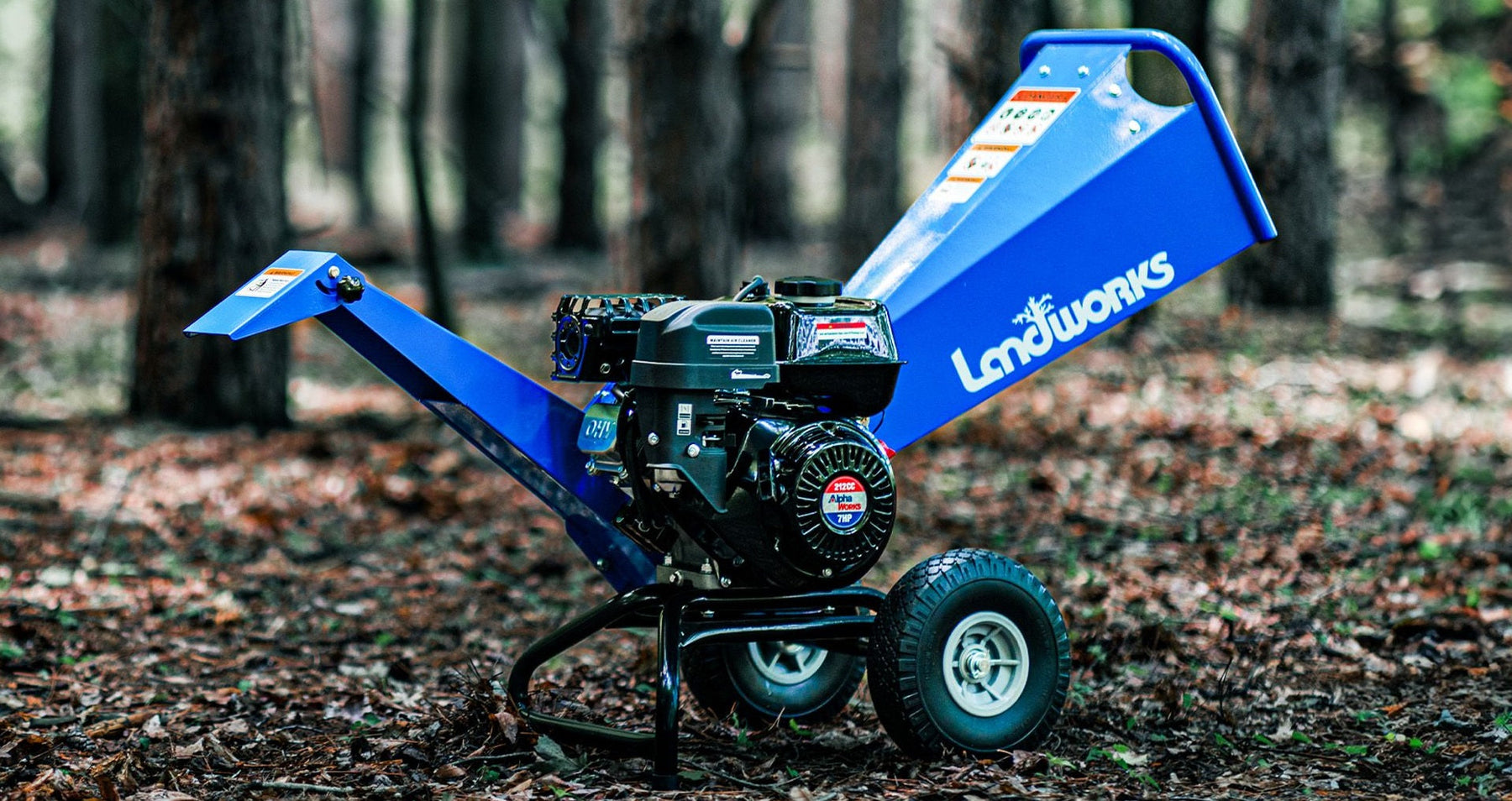
A standout feature of Landworks chippers is their 15:1 reduction ratio. This means they turn big branches, up to 3 inches wide, into small chips easily. With a strong 7HP engine, they handle many tasks like yard work and recycling green waste. Whether clearing your yard or managing waste, these machines work well every time.
Did You Know?
The Landworks 3-in-1 Wood Chipper has a side chute. It’s great for shredding palm fronds and leaves. This design works better than the top hopper for smaller garden waste.
Landworks machines are also simple to use. They start quickly and run without problems. This saves time and avoids frustration. For homeowners, this makes them perfect for regular yard care. However, they work best with soft materials and may struggle with harder woods.
Here’s why Landworks wood chippers are special:
-
High Reduction Ratio: Quickly breaks down branches and debris.
-
Powerful Engine: The 7HP motor ensures steady performance.
-
Versatile Design: Handles leaves, branches, and more.
-
User-Friendly Features: Starts easily and runs smoothly.
These updates show how wood chippers have improved for today’s needs. Landworks focuses on making them practical and high-performing. Whether for home or professional use, these machines are great for managing wood waste.
Tip for Buyers: Think about what materials you’ll chip most often. For soft garden waste, the Landworks 3-in-1 model is a smart pick.
Applications of Wood Chippers Today

Forestry and Land Clearing
Wood chippers are important for clearing forests and land. They break big branches and logs into smaller pieces. This makes clearing land quicker and easier. The global market for wood chippers shows their value. In 2023, it was worth $303.45 million. By 2033, it may grow to $425.16 million. This growth shows how forestry, farming, and landscaping depend on these machines.
Wood chippers turn waste wood into useful materials. These chips can be used for mulch, erosion control, or biofuel. This reduces waste and helps the environment. It also supports sustainable land management practices.
Urban Recycling and Waste Management
In cities, wood chippers help recycle and manage waste. Tree-care companies create a lot of urban wood waste. For example:
-
In Virginia, 67% of urban wood waste comes from tree-care firms.
-
In North Carolina, this number is 75%.
-
In Georgia, it’s 52%.
Most of this waste, about 57–59%, becomes wood chips. Recycling these chips saves money and reduces waste. Tree-care companies spend less on disposal and reuse wood better. These machines help keep cities cleaner and manage waste efficiently.
Composting and Organic Waste Processing
Wood chippers are great for composting and organic waste. They shred branches, leaves, and other materials into small pieces. This speeds up decomposition and makes rich compost for gardens and farms.
Portable wood chippers are perfect for small composting jobs. They are simple to use and eco-friendly. Turning organic waste into compost reduces landfill waste. It also supports sustainable gardening. These machines make recycling natural materials easy and improve soil health.
Contributions of Leading Manufacturers
Top manufacturers are important in improving the wood chipper industry. They create better designs, boost efficiency, and meet the need for eco-friendly machines.
The market for wood chippers is growing steadily. By 2024, it will be worth USD 0.55 billion. By 2034, it could grow to USD 0.80 billion. This shows a yearly growth rate (CAGR) of 3.8% from 2025 to 2034. Below is a table with key market details:
|
Metric |
Details |
|---|---|
|
Market Size 2024 |
USD 0.55 Billion |
|
Market Size 2025 |
USD 0.57 Billion |
|
Market Size 2034 |
USD 0.80 Billion |
|
CAGR |
3.8% (2025-2034) |
|
Key Market Opportunities |
Landscaping and agriculture applications |
|
Key Market Dynamics |
Demand for biomass energy |
Manufacturers now offer many types of wood chippers. These include disc, drum, and screw models. They run on diesel, petrol, or electricity. Their capacities range from 10 kg/hr to over 10,000 kg/hr. This variety helps users pick the right machine for jobs like forestry, paper-making, or sawmills.
Did You Know?
Landscaping and farming are big opportunities for wood chipper growth. These uses match the rising need for biomass energy, making wood chippers vital for eco-friendly practices.
By listening to customers and creating new designs, top manufacturers keep wood chippers useful for forestry, farming, and waste management. Their work not only makes machines better but also supports a cleaner planet.
Future Trends in the Wood Chipper Industry

Sustainability and Eco-Friendly Practices
The wood chipper industry is focusing on greener options. More people want eco-friendly machines as they care about the environment. About 30% of city waste is organic, so wood chippers help manage it. New electric and battery-powered models are quieter and better for the planet. These machines are ideal for cities where noise matters.
Laws and government programs also encourage their use. They promote wood chippers for urban forestry and landscaping. The U.S. plans to grow renewable electricity from 20% in 2020 to nearly 50% by 2050. This change supports electric wood chippers, making them a smart, green choice.
Automation and Smart Technology
Automation is changing how wood chippers work. Modern machines now have smart sensors and IoT (Internet of Things) features. These tools let users track performance live, making them safer and more efficient. For example, sensors can find blockages and stop the machine to prevent accidents.
Better blade designs also improve how they work. Automated systems cut wood evenly, saving time and effort. These updates match the need for sustainable forestry. With smart technology, wood chippers are easier to use and more dependable.
Biofuel Production and Renewable Energy
Wood chippers help make biofuel from wood chips, supporting renewable energy. Solid biofuels, like wood chips, make up 40% of the EU’s renewable energy. In Poland, this number is even higher at 70%.
Countries like Sweden are leaders in renewable energy. Their renewable energy use grew from 49.4% in 2012 to 62.6% in 2021. Using wood chips for biofuel helps create cleaner energy and lowers greenhouse gases.
Tip: Pick a wood chipper that fits your energy needs. Look for models made for biofuel to get the best results.
Innovations by Landworks and Other Brands
Landworks is a leader in making better wood chippers. Their machines mix new technology with easy-to-use designs. Both homeowners and professionals like them for their efficiency and eco-friendly features.
One great thing about Landworks chippers is their multi-functionality. Many models, like the Landworks 3-in-1 Wood Chipper, can chip, shred, and mulch. This means you can do many tasks with one machine. The 15:1 reduction ratio turns big branches into small chips fast, saving time and energy.
Tip: Need a machine for soft garden waste and tough branches? The Landworks 3-in-1 model is a smart pick.
These brands keep improving what wood chippers can do. Whether you need a small, green model or a strong, heavy-duty one, there’s an option for you. Picking a trusted brand means better results, safety, and eco-friendly wood chipping.
The history of the wood chipper shows amazing growth in technology. It started with Peter Jensen's invention and now includes advanced models. These machines have changed forestry, farming, and waste handling. Manufacturers now make them faster and better. Production times dropped from 16 weeks to just 10 days by 2020. New designs use automatic feed systems and hybrid power. These updates lower emissions and improve how they work.
These changes help industries and protect the environment. Companies like Landworks lead the way with smart and flexible solutions. They make managing natural resources easier and greener.
Note: More people want fuel-saving and electric models. This shows the industry's focus on being eco-friendly and efficient.
FAQ
What does a wood chipper do?
A wood chipper cuts branches and logs into smaller pieces. These pieces can be used for mulch, compost, or biofuel. This helps reduce waste and supports eco-friendly practices.
How can you pick the best wood chipper?
Think about what kind of wood you’ll chip. Also, check the machine’s power and size. For small jobs, portable or electric models are great. For bigger tasks, choose drum or disc chippers with more power.
Are wood chippers safe to operate?
Modern wood chippers have safety features like emergency stop buttons and shields. Always wear safety gear and follow the instructions. Keep your hands far from the blades to stay safe.
Can all wood types go through a wood chipper?
Most chippers handle softwoods and small branches well. Hardwoods or large logs might be harder for some machines. Check the machine’s details to make sure it fits your needs.
How do wood chippers help the planet?
Wood chippers turn waste wood into mulch or biofuel. This cuts down on landfill waste and supports renewable energy. Electric models are even better for the environment since they produce fewer emissions.
Tip: Take care of your wood chipper to keep it working well and eco-friendly.
Leave a comment