
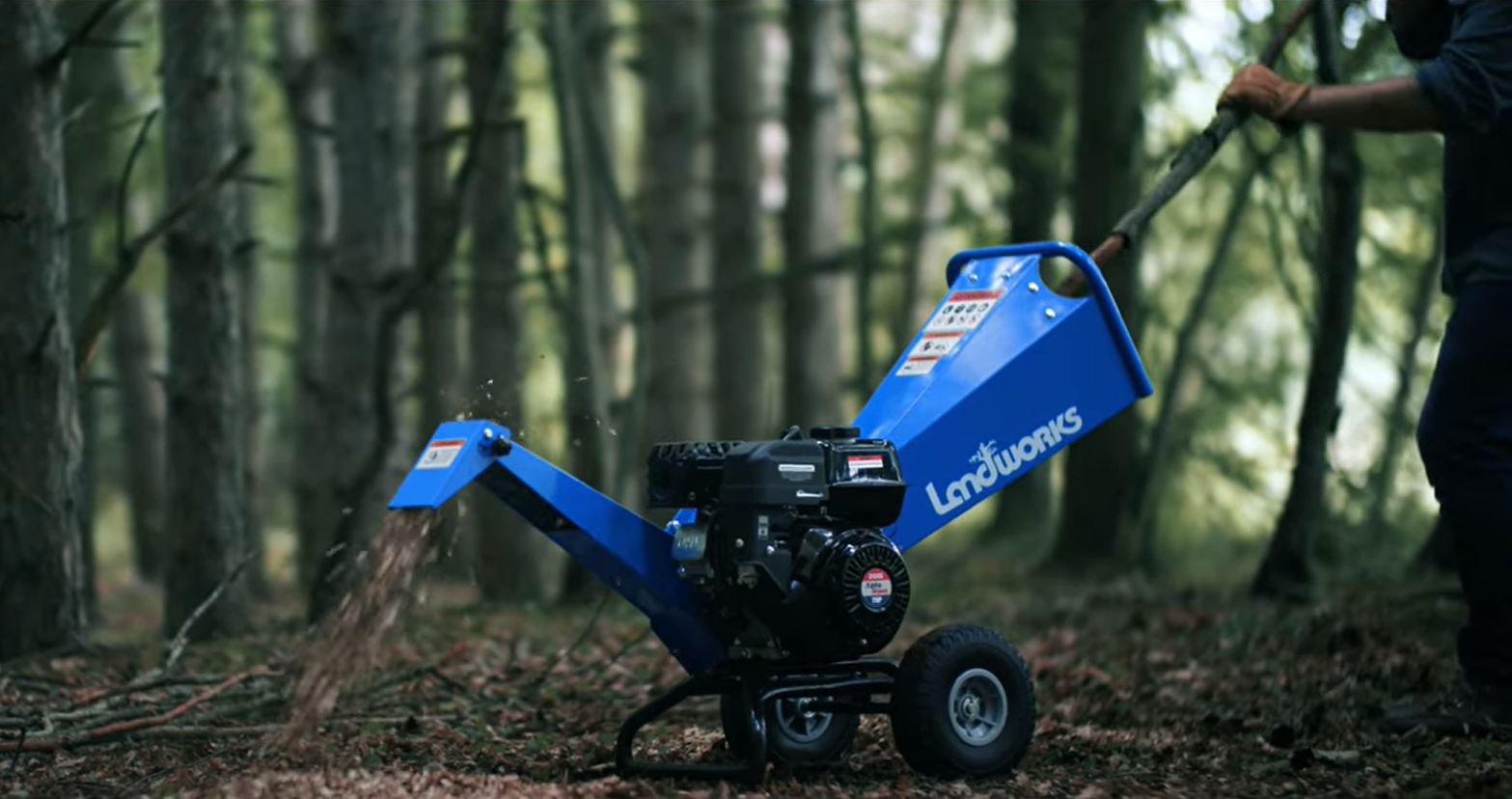
Protect Yourself with These Wood Chipper Safety Essentials

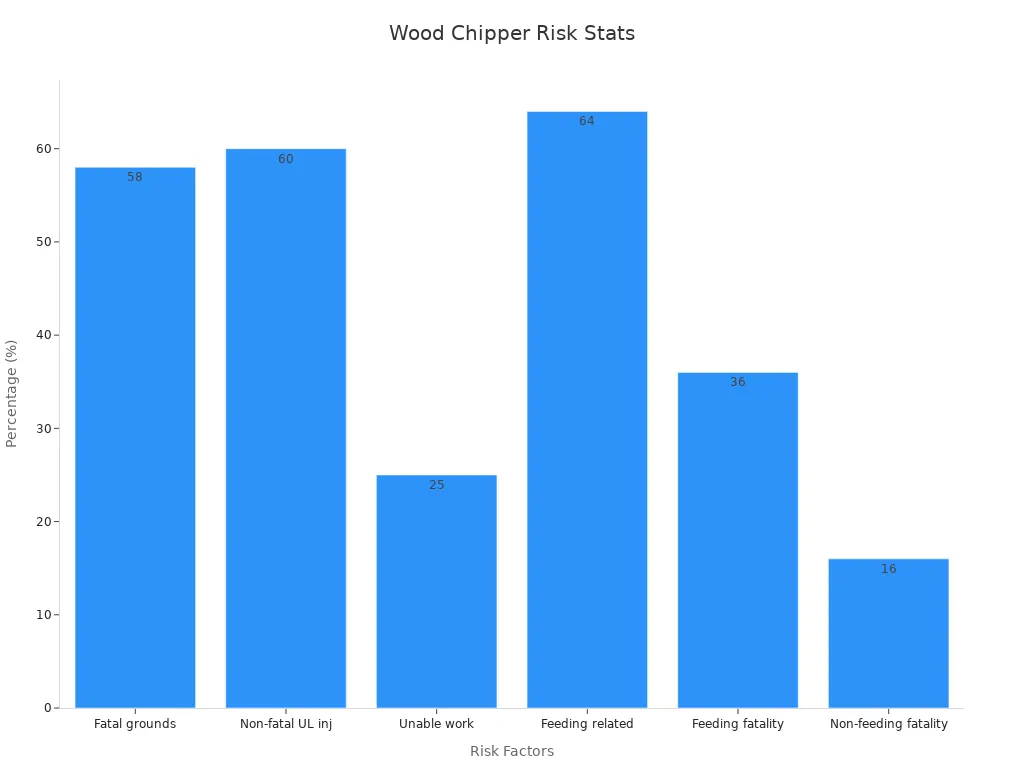
Using a wood chipper is risky if you skip safety rules. You may ask, “How do I keep myself and others safe when using a chipper?” The dangers are real. Every year, about 1,200 to 1,300 people go to the hospital because of chipper injuries. Many accidents hurt fingers, hands, and eyes. Some injuries are very bad or even deadly.
Always wear safety gear and follow your machine’s safety tips. Products like Landworks Wood Chipper, GreatCircleUSA Mini Wood Chipper, and GreatCircleUSA 3-in-1 Wood Chipper make their machines with safety in mind.
Most chipper accidents happen while feeding or when you ignore safety devices. You can stop most injuries by paying attention, reading the manual, and using the right gear.
Key Takeaways
-
Always wear tight clothes, gloves, boots that do not slip, and full safety gear like goggles, ear protection, and a hard hat before you use a wood chipper.
-
Read your wood chipper’s manual carefully to learn how to use it safely and follow all brand safety rules.
-
Check your chipper before each use by looking at guards, emergency shutoff switches, fuel, oil, and warning labels to stop accidents.
-
Put branches in butt-end first, stand to the side of the hopper, and never put your hands inside; use push tools to clear jams only after you turn off the machine.
-
Stay alert and focused while you work, keep your work area clean and free of kids or pets, and do not get distracted by phones or music.
Safety Gear
Proper Clothing
Wear the right clothes before using the wood chipper. Work pants cover your legs and protect your skin from sharp sticks. Pick shirts and pants that fit close to your body. Loose clothes can get pulled into the machine. Always put on non-slip boots. These boots help you stand steady and stop you from slipping.
Gloves are needed, but do not wear gauntlet-style gloves. Choose gloves that fit well and let you hold things tightly. They keep your hands safe from cuts. Take off all jewelry like rings, watches, and necklaces. Jewelry can get caught in the chipper and hurt you.
Tip: Landworks and GreatCircleUSA say to use good hand protection and follow their clothing rules in the manual.
Eye, Ear, and Head Protection
You must keep your eyes, ears, and head safe every time you use a wood chipper. Wear safety goggles or a face shield to protect your eyes. These stop flying pieces from hurting your eyes. Landworks and GreatCircleUSA tell you to use eye protection in their safety rules.
Use earmuffs or earplugs to protect your ears. Wood chippers are very loud and can hurt your hearing. A hard hat helps keep your head safe, especially if branches might fall.
-
Always put on safety gear before you begin.
-
Listen to the manufacturer's tips for the best safety.
Note: The manufacturer says it is very important to use the right hand and eye protection. This matches the best safety advice for anyone using a wood chipper.
Read the Manual
Reading the manual is the first step you should take before using any wood chipper. The manual gives you important information about how to use your machine safely. You will find clear steps for starting, operating, and stopping the chipper. The manual also explains what to do if something goes wrong.
Operator’s Instructions
You should always read the operator’s instructions from start to finish. These instructions tell you how to set up the chipper, what to check before turning it on, and how to feed branches safely. You will also learn about the warning labels and what each symbol means. If you skip this step, you might miss a key safety rule.
Tip: Keep your manual close by when you work. If you forget a step, you can look it up quickly.
Here are some things you will find in the operator’s instructions:
-
How to check the oil and fuel levels
-
How to inspect the blades and guards
-
What to do if the chipper jams
-
How to turn off the machine in an emergency
Brand-Specific Guidance
Each brand designs its wood chipper with special features. You should pay attention to the brand-specific guidance in your manual. Some brands use different safety switches or guards. Others may have unique ways to clear jams or change blades. The manual will show you how to use these features the right way.
Note: Following the brand’s guidance helps you use all the safety devices built into your chipper.
If you use a chipper from Landworks or GreatCircleUSA, you will see extra tips for safe operation. These brands include checklists and reminders to help you avoid accidents. Always follow their advice to keep yourself and others safe.
Inspect the Wood Chipper
Pre-Use Checklist
Before you start your wood chipper, you need to inspect for use. A pre-use checklist helps you spot hazards and keeps you safe. You should never skip this step. Many accidents happen because someone missed a simple safety check.
-
Look at the chipper for any loose or missing guards.
-
Check that all guards cover moving parts and blades.
-
Make sure the emergency shutoff switch works.
-
Inspect the fuel and oil levels.
-
Test the emergency shut-off switch before you begin.
-
Look for cracks, leaks, or worn parts.
-
Confirm that warning labels are easy to read.
A checklist alone is not enough. You must know how to use it. Training and supervision help you understand what to look for. Supervisors should check your work during the shift to make sure you follow safety checks. Senior managers also play a role by making sure everyone uses the checklist the right way.
Using a checklist helps you follow OSHA and ANSI rules. It also protects you and your team from legal problems if something goes wrong.
Safety Devices
You must check all safety devices before you use the chipper. Guards protect you from moving blades and flying debris. Never use a wood chipper if any guards are missing or broken. Always test the emergency shutoff switch. This switch lets you stop the chipper fast in an emergency.
-
Guards should fit tight and cover all dangerous parts.
-
The emergency shut-off switch must work every time.
-
Make sure all warning signs and labels are in place.
Tip: If you find a problem with any safety device, do not use the chipper. Report the issue and fix it before you start.
Regular inspections and working safety devices help prevent injuries. They also keep your wood chipper running well and reduce hazards on the job.
Work Area Safety

Open Area Use
You need to set up your wood chipper in an open, well-lit space. Good lighting helps you see every part of the machine and the materials you feed into it. Always clear the area before you start. Remove rocks, sticks, and anything that could trip you or get caught in the chipper. A clean work space lowers your risk of accidents.
Create a zone of safety around the chipper. Mark this area with cones or tape. This zone keeps you and others at a safe distance from moving parts. Only trained people should enter this space. Remind everyone, don’t come too close when the chipper runs. If you see someone near the machine, ask them to step back right away.
Tip: Always clear the area again if you move the chipper to a new spot. Double-check for hazards each time.
Keep Children and Pets Away
You must keep children and pets away from the work area at all times. Children do not understand the dangers of a wood chipper. Pets can run into the zone of safety without warning. Both can get hurt very quickly.
Set clear rules for your work site. Tell everyone that children and pets cannot enter the area while you use the chipper. Use barriers or signs if needed. Check the area before you start and during your work. If you see children or pets nearby, stop the machine and clear the area again.
-
Never leave the chipper running if you step away.
-
Always check that the area is empty before you begin.
Safety starts with you. When you keep children and pets away, you protect everyone on site.
Feeding Materials
Safe Feeding Techniques
You need to use the right feeding methods every time you operate a wood chipper. Start by feeding branches and limbs butt-end first into the hopper. This step helps prevent the material from catching your clothing or pulling you toward the chipper. Always stand to the side of the hopper, not directly in front of it. This position keeps you safer if the machine kicks back any debris.
Use long branches or a push tool to move smaller pieces through the in-feed hopper. Never use your hands to push material inside. When the chipper grabs the branch, let go and step back. Do not try to force the material through. Let the machine do the work. Two-thirds of wood chipper fatalities happen when someone gets caught in the feed mechanism or cutting knives. These safe feeding techniques help lower your risk of injury.
Tip: Always follow the safety steps in your manual. Move away from the hopper once the chipper pulls in the material.
Here is a quick checklist for safe feeding:
-
Feed butt-end first
-
Use push tools or long branches
-
Stand to the side of the hopper
-
Step back when the chipper grabs the material
Never Put Your Hands in the Hopper
You must never put your hands in the hopper. This rule is the most important one for chipper safety. The blades inside the wood chipper move very fast and can cause serious injury in seconds. If a branch gets stuck, turn off the chipper and wait for all moving parts to stop before you clear the jam. Use a stick or push tool to remove any blockage. Never reach inside, even if the machine is off but still moving.
Warning: Many accidents happen because people ignore this rule. Always keep your hands and feet away from the feed chute.
By following these steps, you protect yourself and others from harm every time you use a wood chipper.
Clearing Jams
Turn Off Before Maintenance
When your chipper jams, you need to act quickly but safely. Never try to clear a jam while the machine is running. Always turn off first before you do anything else. Wait for all moving parts to stop. This step protects your hands and arms from sharp blades. Many accidents happen when people rush to fix a jam without stopping the chipper.
Follow these steps every time you clear a jam:
-
Turn off first and remove the key if your chipper has one.
-
Wait until the blades and all moving parts stop.
-
Use a stick or push tool to remove the blockage. Never use your hands.
-
Check the area for any leftover debris before you restart.
Tip: Stay calm during an emergency. Rushing can lead to mistakes and injuries.
Lockout Procedures
Lockout procedures keep you safe when you work on your chipper. You need to make sure the machine cannot start by accident. If your chipper has a lockout device, use it every time you clear a jam or do maintenance. Place the lockout tag or device on the power switch. This step tells others not to turn on the chipper while you work.
Here is a simple lockout checklist:
-
Shut down the chipper and disconnect the power source.
-
Attach a lockout tag to the switch or key area.
-
Tell everyone nearby that you are working on the chipper.
-
Only remove the lockout device when you finish and the area is clear.
Note: Lockout procedures help prevent emergency situations and keep everyone safe.
By following these steps, you lower your risk of injury and keep your chipper in good working order.
Stay Alert

Awareness of Surroundings
You need to pay close attention to your surroundings when you use a wood chipper. Look around before you start the machine. Notice where people, pets, and obstacles are. Check the ground for anything that could make you trip or slip. Good lighting helps you see everything clearly. If you work outside, watch for changes in weather that could affect your footing or the machine’s operation.
Stay aware of what is happening around you at all times. Listen for unusual sounds from the chipper. Watch for people who might walk into the work area. If you see someone getting too close, stop the machine right away. Remind others about the safety zone. You protect yourself and others by staying alert.
Tip: Make it a habit to scan your work area every few minutes. This simple step supports safe work practices and helps prevent accidents.
Avoid Distractions
Distractions can lead to serious injuries. You should never use your phone or listen to music while operating a wood chipper. Focus on the task in front of you. If someone tries to talk to you, stop the machine before you answer. Never try to multitask when you work with heavy equipment.
Here are some ways to avoid distractions:
-
Turn off your phone or keep it away from the work area.
-
Ask others not to interrupt you while you operate the chipper.
-
Take breaks if you feel tired or lose focus.
Staying focused keeps you safe. You lower your risk of accidents when you give your full attention to the job. Remember, your safety and the safety of others depend on your alertness.
Note: Always follow safe work practices. Staying alert is one of the best ways to prevent injuries and keep your worksite safe.
Wood Chipper Safety Tips
Summary of Essentials
You can keep yourself and others safe by following these simple steps each time you use a wood chipper.
-
Wear clothes that fit close, gloves, non-slip boots, and all safety gear.
-
Read the manual before you start. Follow every rule for your chipper.
-
Check the chipper before you use it. Look at guards, the emergency shutoff, and warning labels.
-
Work in a clean, bright area. Keep kids and pets away from the work zone.
-
Put branches in butt-end first. Use push tools for small pieces.
-
Never put your hands in the hopper. Always turn off the chipper before fixing jams.
-
Use lockout steps when you do maintenance.
-
Stay alert. Watch what is around you and do not get distracted.
Remember: These steps help stop accidents and keep your worksite safe.
Common Mistakes to Avoid
Many accidents happen when people do not follow basic safety rules. You can stay safe by avoiding these mistakes.
-
Skipping safety checks or using a chipper with missing guards.
-
Wearing loose clothes or jewelry that can get caught.
-
Feeding material with your hands or standing right in front of the hopper.
-
Forgetting to turn off the chipper before clearing a jam.
-
Not using lockout devices when doing maintenance.
-
Letting kids, pets, or people who are not trained near the chipper.
-
Losing focus or using your phone while running the machine.
Tip: If you are not sure what to do, stop and check the manual. Taking a minute to look can stop serious accidents.
By following these safety tips and best steps, you lower your chance of accidents and make the work area safer for everyone.
You can prevent most accidents by following these wood chipper tips every time you work. Always wear the right gear and read your manual before starting. Use the checklists from Landworks and GreatCircleUSA to guide you. Stay alert and keep your work area clear. When you follow these steps, you protect yourself and everyone around you. Safe operation keeps your job site accident-free.
FAQ
What should you do if your wood chipper starts making strange noises?
Stop the machine right away. Check for loose parts or blockages. Do not use the chipper until you find and fix the problem. Strange noises can mean something is wrong inside.
Can you wear regular gloves when using a wood chipper?
You should wear snug-fitting work gloves. Avoid loose or gauntlet-style gloves. Regular gloves may get caught in moving parts. Good gloves protect your hands from cuts and splinters.
How often should you inspect your wood chipper?
Inspect your wood chipper before every use. Look for damage, loose guards, and worn parts. A quick check each time helps you spot problems early and keeps you safe.
Is it safe to use a wood chipper alone?
It is safer to have someone nearby in case of an emergency. If you must work alone, keep your phone close and let someone know where you are.
What should you do if a branch gets stuck in the hopper?
-
Turn off the chipper.
-
Wait for all moving parts to stop.
-
Use a stick or push tool to clear the jam.
-
Never put your hands in the hopper.
Leave a comment