

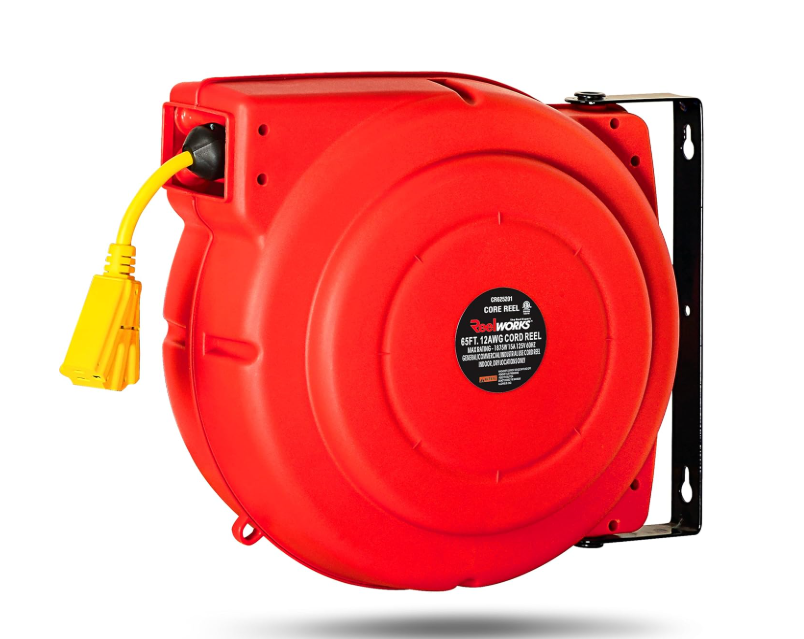
You should always check your extension cord reel before you use it. Always unwind the extension cord all the way. Do not overload it. Keep it dry. Store it in a cool and dry place. Imagine pulling out a tangled extension cord. You might see frayed insulation or wires showing. These problems can cause electric shock, fire, or broken equipment. Using extension cord reels the right way keeps you safe from danger. It also helps keep your workspace neat. Taking care of your extension cord makes it last longer. Follow these steps to keep your extension cord reel safe and working well.
Key Takeaways
Always unwind your extension cord reel all the way before using it. This helps stop overheating and fire dangers. Check your extension cord reel every time before you use it. Look for damage like frayed wires or broken parts. Replace it if you see any problems. Use extension cord reels that have good safety features. Make sure the cord’s rating matches your device’s power needs. This helps stop overload. Store extension cord reels in a cool, dry place. Keep them away from sunlight and moisture. This keeps them in good shape. Mount extension cord reels off the floor. This keeps your workspace neat and lowers tripping risks.
Extension Cord Reel Basics
What Is an Extension Cord Reel
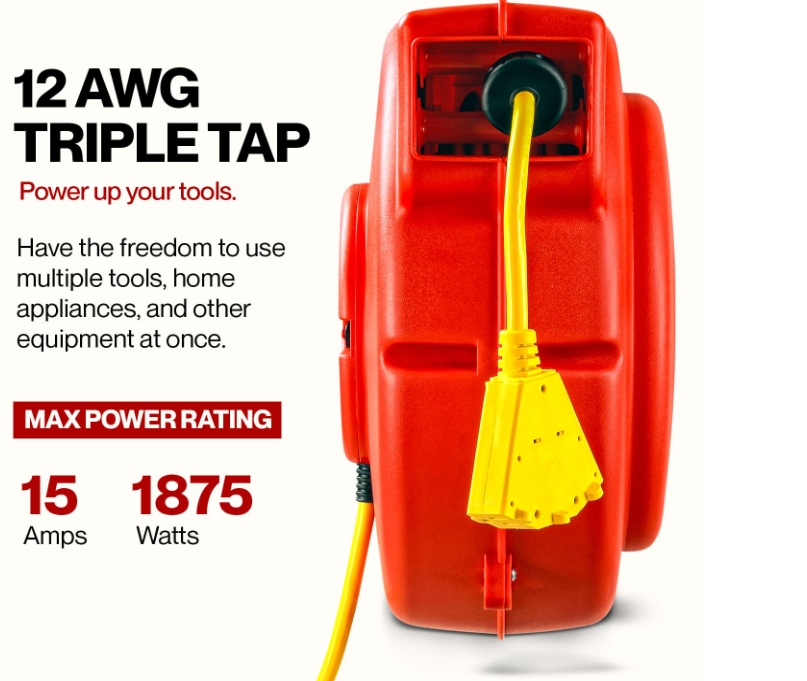
An extension cord reel helps you keep your cords neat and safe. You use it to wind up your extension cord when you finish working. This tool keeps cords off the floor and stops them from getting tangled. You can pull out just the length you need and then wind it back up when you are done. This makes your workspace cleaner and safer. Extension cord reels protect cords from damage and help them last longer. You save space and avoid tripping over loose cords. You can use extension cord reels for indoor extension cords or outdoor extension cords. They work well at home, in a garage, or at a job site.
Tip: Using an extension cord reel helps you avoid kinks, fraying, and other damage that can shorten the life of your extension cord.
Types of Extension Cord Reels
You can choose from several types of extension cord reels. Manual wind reels need you to turn a handle to wind or unwind the cord. These reels work best for light jobs and are easy to carry. You might use manual wind reels for small tools or short cords inside your house. Automatic wind reels use a spring to pull the cord back in. These reels lock at any length and keep cords off the floor. Automatic wind reels are great for busy spaces like workshops. Retractable extension cord reels use either a spring or a motor. Motor-driven reels, a type of retractable extension cord reels, use power to wind up heavy cords. These reels work well for big jobs and tough places like construction sites. Retractable extension cord reels help you save time and keep cords safe from damage.
Type of Reel |
How It Works |
Where to Use It |
|---|---|---|
Manual wind reels |
Hand crank to wind/unwind |
Light-duty, indoor use |
Automatic wind reels |
Spring pulls cord in, locks at length |
Garages, workshops |
Retractable extension cord reels |
Spring or motor retracts cord |
Heavy-duty, industrial sites |
Why Safe Use Matters
You need to use extension cord reels safely to protect yourself and your equipment. Purpose-built extension cord reels have safety features like circuit breakers and overload protection. These features stop the reel if it gets too hot or draws too much power. Look for UL or CSA certification when choosing the right extension cord reel. These marks show the reel meets strict safety rules. Some reels have special enclosures to keep out dust and water, which is important for outdoor extension cords. Using the right reel for electrical cords, not hose reels, keeps you safe from shocks and fires. Always check for safety features before you buy or use a reel.
Note: Safety features like thermal cutoffs and overload protection help prevent electrical fires and keep your extension cord reel working well.
Using Extension Cord Reels
Inspecting the Extension Cord Reel
Before using the extension cord reel, you should always check it for damage or wear. Careful inspection helps you avoid electrical hazards and keeps your workspace safe. Follow these steps each time:
Look at the plug for any breaks, bends, or loose parts.
Gently bend the cord along its length to spot cuts, nicks, or abrasions.
Check the connectors. Make sure prongs and ground pins are straight and secure.
Smell for melted insulation or look for discoloration, which can mean overheating.
Wipe away any moisture or dirt from the cord to prevent short circuits.
Read the label to confirm the cord’s gauge and rating match your device’s needs.
Plug the cord into a working device to test if it operates correctly.
Feel the cord for stiffness or brittleness, which can signal hidden damage.
If you find any damage, remove the extension cord reel from use right away and tag it so no one else uses it by mistake.
Tip: Replace any damaged extension cord reels immediately. Never try to repair a cord with tape or glue. Always use a new cord that meets safety standards.
Using the Extension Cord Reel Safely
Using the extension cord reel the right way prevents overheating and fire hazards. You should always fully unwind the extension cord before plugging in your devices. A coiled or partially extended cord traps heat, which can melt insulation and start a fire. Here is how you can use the extension cord reel safely:
Pull out the entire length of the cord before use, especially for high-power tools.
Keep the area around the cord clear of flammable materials.
Use only extension cords rated for the power your devices need.
Choose a cord reel with built-in thermal protection or a circuit breaker for extra safety.
Never use the extension cord reel in wet or damp areas unless it has water-resistant features and a GFCI (Ground Fault Circuit Interrupter).
Wear personal protective equipment if you work in a hazardous area.
After use, unplug the cord by holding the plug, not the cord itself, to avoid internal damage.
Wind the cord back onto the reel smoothly, keeping it straight and free of kinks.
Note: If you want to know how to wrap an extension cord, always coil it loosely and avoid sharp bends. This helps prevent wire stress and keeps the cord flexible.
Avoiding Overload and Hazards
You must avoid overloading the extension cord reel to keep your workspace safe. Overloading happens when you plug in more devices than the cord can handle or use a cord that is not fully uncoiled. Here are some safety precautions and tips to help you prevent hazards:
Check the amperage and voltage ratings on both the extension cord reel and your devices. Make sure they match.
Never daisy chain multiple extension cords together. This increases resistance and can cause overheating.
Do not run cords under rugs, furniture, or heavy objects. This traps heat and damages insulation.
Keep cords away from water and heat sources.
Use heavy-duty extension cord reels for high-power or multiple device use.
Inspect cords regularly for signs of damage, such as frayed wires or hot spots.
Store extension cord reels in a cool, dry place when not in use.
Use cord covers or place cords out of walkways to prevent tripping hazards.
Tip: Always follow proper use and maintenance guidelines for your extension cord reels. This extends their life and keeps you safe.
Practicing cord safety and following these tips will help you wrap extension cords correctly, avoid overloads, and keep your workspace organized. Using the extension cord reel as intended protects you from electrical hazards and ensures your equipment lasts longer.
Storing Extension Cord Reels

Cleaning and Maintenance
You keep your extension cord reel working well by cleaning and checking it often. Start by looking for any damage, such as frayed wires, cracks, or corrosion. If you see any problems, replace the damaged parts right away. Use a dry cloth to wipe off dust and dirt, especially after using the reel outdoors. Make sure the cord is dry before you wind it back onto the reel. Always wind the cord smoothly to avoid kinks or tangles. Lubricate any moving parts if the reel starts to squeak or feels stiff. Follow these steps to keep your reel in good condition:
Inspect the extension cord reel before each use.
Wipe the reel and cord with a dry cloth.
Let wet cords dry completely before storing.
Wind the cord back onto the reel without sharp bends.
Check for loose or broken parts and fix them quickly.
Tip: Regular cleaning and inspection help prevent electrical hazards and extend the life of your extension cord reel.
Proper Storage Locations
You should always properly store your extension cords and reels in a cool, dry place. Avoid damp basements or outdoor sheds that can cause rust or corrosion. Keep the reel away from direct sunlight and heat sources, which can damage the insulation. Store the reel off the floor to protect it from water and dirt. Choose a spot that is clean and not crowded to prevent accidental damage. These best practices for storage help your extension cord reel last longer and work safely.
Store in a dry, low-humidity area.
Avoid extreme temperatures.
Keep away from sunlight and heaters.
Use boxes or cases for extra protection.
Mounting and Organization
Mounting the extension cord reel on a wall or ceiling gives you better safety and fewer tripping risks. This setup keeps cords off the ground and out of busy walkways. You make your workspace more organized and efficient by setting up and mounting your reel in the right spot. Wall or ceiling mounts also protect cords from foot traffic and water. Use heavy-duty hooks, pegboards, or special brackets for mounting the extension cord reel. Retractable reels work well for rolling and stowing extension cords quickly. Label each reel for easy use and keep cords loosely coiled to prevent damage.
Note: Mounting the extension cord reel off the floor helps you avoid clutter and keeps your cords ready for use.
Extension Cord Reel Safety Tips
Common Mistakes to Avoid
You can prevent many accidents by knowing the most common mistakes people make with extension cord reels. Here are some errors you should watch out for:
Not fully uncoiling the cord before use. This traps heat and can melt the insulation, which may cause a fire.
Overloading the extension cord reel by plugging in too many high-wattage devices. This can lead to overheating and electrical hazards.
Using extension cord reels in wet or damp areas without proper weatherproofing or GFCI protection. This increases the risk of electric shock.
Daisy-chaining multiple extension cords together. This causes voltage drops and can overheat the cords.
Running cords under rugs, mats, or heavy furniture. This damages the insulation and hides overheating.
Coiling cords too tightly on the reel. This prevents heat from escaping and can damage the cord.
Leaving cords plugged in when not in use. This increases the risk of overheating or accidental damage.
Placing cords across walkways or doorways. This creates tripping hazards and can lead to injuries.
Improper installation or skipping regular maintenance. This can cause the reel or cord to fail when you need it most.
Tip: Always check your extension cord reel for damage before each use and store it in a dry, safe place.
Using the Reel Safely and Correctly
You can keep your workspace safe by following a few simple safety precautions and tips. Always fully unwind the extension cord before plugging in any device. This helps heat escape and prevents the cord from overheating. Select the right cord for your needs by checking the length, wire gauge, and amperage rating. Use the table below to match your cord to your device:
Cord Length |
Wire Gauge |
Amperage Range (Amps) |
|---|---|---|
25 – 50 ft |
16 |
1 - 13 |
14 |
14 - 15 |
|
12-10 |
16 - 20 |
|
100 ft |
16 |
1 - 10 |
14 |
11 - 13 |
|
12 |
14 - 15 |
|
10 |
16 - 20 |
|
150 ft |
14 |
1 - 7 |
12 |
8 - 10 |
|
10 |
11 - 15 |
Never connect multiple extension cords together. Use only cords rated for the environment—indoor or outdoor. Make sure the cord’s prongs fit the outlet. Do not cover cords with rugs or mats. Unplug the extension cord reel when not in use. If you want to know how to wrap an extension cord, always coil it loosely and avoid sharp bends. These safety tips when using extension cord reels help you avoid overheating, electrical shocks, and tripping hazards. Using the reel safely and correctly keeps your equipment and workspace protected.
You can make your extension cord reels last longer by doing a few easy things. Always look at your reel before you use it. Unwind the cord all the way every time. Store the reel in a dry spot. Try these care tips:
Watch the cable to keep it tight.
Look for heat or power changes.
Tie cables so they do not slip back.
Switch cable ends sometimes.
Keep extra parts close by.
Check your reel often.
Take out cables if you see trouble.
Taking care of your reel helps stop accidents. It also saves space and keeps cords neat. Take a little time today to check your extension cord reels. Make safety part of your routine.
FAQ
How often should you inspect your extension cord reel?
You should inspect your extension cord reel before every use. Look for damage, frayed wires, or loose parts. Regular checks help you catch problems early and keep your workspace safe.
Can you use an extension cord reel outdoors?
You can use an extension cord reel outdoors if it is rated for outdoor use. Look for weatherproof features and check for a proper safety rating. Always keep the reel dry and away from puddles.
What should you do if your extension cord reel gets wet?
Unplug the reel right away. Dry the cord and reel completely before using it again. Moisture can cause electric shock or damage the cord. If you see any damage, replace the reel.
How do you prevent your extension cord from tangling on the reel?
Wind the cord slowly and keep it straight as you reel it in. Avoid sharp bends or twists. Use the reel’s guide or handle if it has one. This keeps your cord neat and ready for next time.
Is it safe to plug multiple devices into one extension cord reel?
Plugging in too many devices can overload the reel. Always check the amperage rating. Use only one high-power device at a time to prevent overheating and reduce fire risk.
