

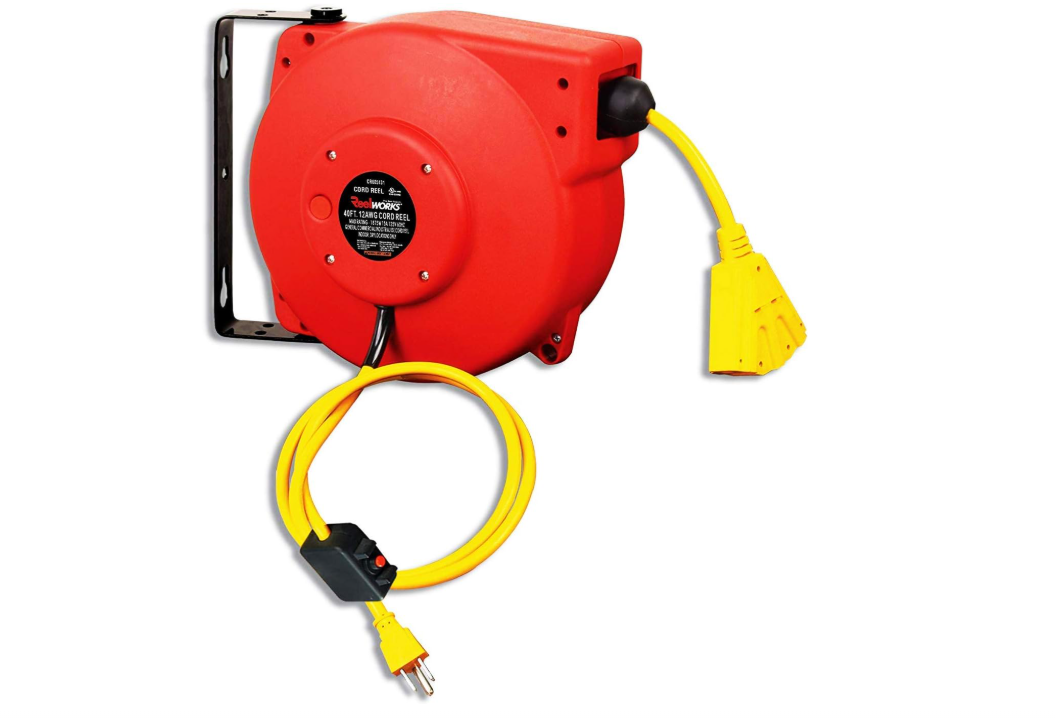
When you shop for an extension cord reel, you want to get it right the first time. The best cable reel for your job depends on a few key things. Think about cord length, gauge, reel type, and how strong the cable reel feels in your hands. Safety features matter, too—look for circuit breakers and overload protection to keep things safe. If you need an outdoor electric cord reel, weather resistance and strong materials help it last longer. Make sure the cable reel meets safety rules and fits your workspace. These steps help you avoid tripping hazards and keep your tools running smoothly.
Key Takeaways
Measure how far your power source is from your work area. Add some extra length so your cord is not too short. Use a thicker wire gauge if your cord is long or if you use strong tools. This helps keep your tools safe and working right. Pick the reel type that fits your needs. Manual reels are simple. Retractable reels are easy to use. Motorized reels are good for big jobs. Choose reels made from strong materials. Make sure they can handle bad weather. This helps them last longer and work in tough places. Always look for safety features. These include overload protection, circuit breakers, and UL or ETL certification. These features help stop accidents.
Cord Length
Measuring Your Needs
Choosing the right cable length is one of the first steps when picking an extension cord reel. You want to make sure your cord reaches every spot you need, whether you’re working in your garage, backyard, or a busy workshop. Start by measuring the longest distance from your power source to where you’ll use your tools. Add a few extra feet for flexibility. This way, you avoid stretching the cord too tight or coming up short.
Most people find that a cable length between 25 and 50 feet works well for home and small business tasks. If you only need to power devices close by, a shorter cord is easier to manage. For bigger spaces or outdoor projects, a longer cable length gives you more freedom to move around. Here’s a quick look at common cable lengths and their uses:
2 to 25 feet: Great for indoor jobs and small appliances.
25 to 50 feet: Perfect for garages, workshops, and most outdoor tasks.
50 to 100 feet: Best for large yards or commercial spaces.
Tip: Always measure the farthest spot you’ll need to reach before buying. It’s better to have a little extra cable length than not enough.
Flexibility and Reach
A longer cable length gives you more reach, but it can also affect how well your tools work. As the cord gets longer, the power running through it drops a bit. This is called voltage drop. If the voltage drops too much, your tools might not work as well or could even get damaged. That’s why you need to match cord length and gauge to your tool’s needs.
When you pick a longer cable length, you may need a thicker cord to keep your tools running strong. Shorter cords are easier to store and cost less, but longer cords give you more options for big projects. Retractable reels with adjustable cable length help you use only what you need, keeping your space tidy and safe.
Cord Gauge
Power Requirements
When you pick an extension cord reel, you need to match the wire gauge to the power needs of your tools. The wire gauge tells you how thick the wires are inside the cord. Thicker wires (with a lower gauge number) can handle more electricity. If you use a cord that is too thin, it might not have enough cable capacity for your bigger tools.
For most household tools that run on 110V and use up to 15 amps, a 14-gauge cord works well for short runs. If you need to go 50 feet or more, step up to a 12-gauge cord. For really big tools or 220V equipment, use a 10-gauge cord to make sure you have enough capacity. When you are not sure, choose a thicker cord. This helps prevent problems and keeps your tools running strong.
Safety Considerations
Using the right wire gauge is not just about power. It is also about safety. If you use a cord that is too thin for your tool’s needs, the cord can get hot. This heat can melt the insulation and even start a fire. Thinner cords also cause voltage drops, which means your tools might not work as well or could wear out faster.
Always check the amp rating of your tools and match it to the cord’s cable capacity. For heavy-duty or outdoor jobs, pick a lower gauge number. This keeps your workspace safe and your equipment working well. Following these simple steps helps you avoid accidents and keeps your tools in good shape for years.
Extension Cord Reel Types

When you look for a cable reel, you will find three main types. Each one works a bit differently and fits different needs. Let’s break them down so you can pick the best extension cord reel for your workspace.
Manual Reels
Manual reels are the most basic type. You have to wind the cord by hand using a handle. This takes more time and effort, especially if you use a long cable. Manual reels can be a good choice if you want something simple and don’t mind a little extra work. They usually cost less, but they might not keep your space as neat. Sometimes, the cord can get tangled if you rush.
Retractable Reels
Retractable reels make life easier. These reels use an automatic rewind system. When you give the cord a gentle tug, it rolls back into the reel by itself. You don’t have to spend time winding it up. This saves you effort and keeps your area tidy. Many retractable reels also have a stop-anywhere lock. You can pull out just the length you need and the reel will hold it in place. This feature helps you avoid extra cord on the floor, which means fewer tripping hazards and a safer workspace. The automatic rewind and lock system also protects the cord from damage, so your cable reel lasts longer.
Tip: Retractable reels help you set up and clean up faster. You get more time to focus on your work!
Motorized Reels
Motorized reels use a small motor to wind the cord for you. You just press a button and the reel does the rest. These reels work well for heavy-duty jobs or when you need to manage a long, thick cord with high capacity. Motorized reels cost more, but they save your arms and make storage super easy.
Here’s a quick look at how each type affects setup time and storage:
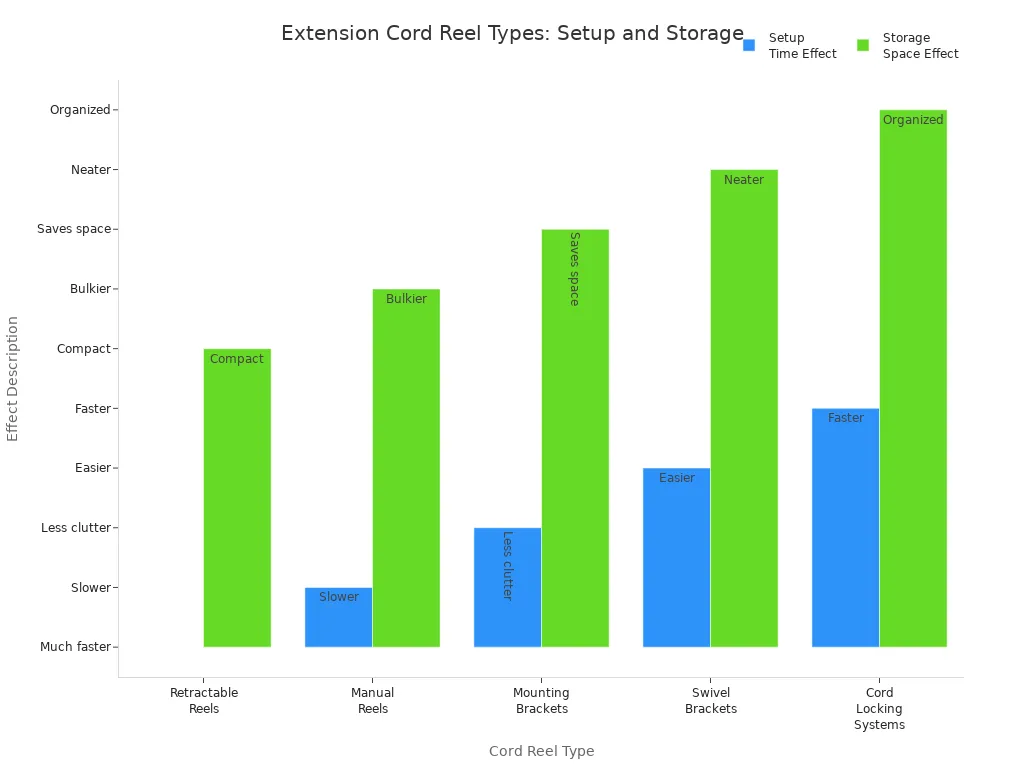
No matter which type you choose, think about how much time you want to spend setting up and putting away your extension cord reel. The right cable reel can help you stay organized, work faster, and keep your tools safe.
Build Quality
Materials
When you pick out a cable reel, you want it to last through all kinds of jobs. The right materials make a big difference. Most high-quality reels use tough plastics like polypropylene for the housing and reel drum. This material stands up to bumps, drops, and rough handling. Inside, you’ll often find a steel spring. Steel keeps the cord retracting smoothly every time you use it.
You also want to check for protective coatings. These help your reel resist corrosion, moisture, and even vibration. Some reels even have NEMA ratings, which show how well they protect against dust and water.
Tip: If you work outside or in a busy shop, look for reels with weather-resistant materials. They keep your tools safe and working longer.
Durability
You need a cable reel that can handle daily use and tough environments. Durable housing, like heavy-duty plastic or metal, helps your reel survive drops, bumps, and even harsh weather. A strong spring inside means your cord won’t get stuck or wear out quickly.
Here are some ways good durability and construction materials help you:
Withstand temperature swings, rain, and dust
Resist cracking or breaking if dropped
Keep the cord safe from wear and tear
Last for years with proper care
Some reels have lasted on job sites for decades because of their solid build. When you keep the cord retracted and protected, you avoid damage and make your reel last even longer. Investing in a sturdy reel saves you money over time since you won’t need to replace it as often.
Safety Features
When you use an extension cord reel, safety should always come first. Modern reels come packed with features that help protect you, your tools, and your workspace. Let’s look at some of the most important safety features you should check for before buying a cable reel.
Overload Protection
Overload protection is a must-have. This feature stops the flow of electricity if you plug in too many devices or if your tools draw more power than the cord can handle. When the reel senses too much current, it shuts off automatically. This helps prevent the cord from overheating and lowers the risk of fire. You can work with confidence, knowing your cable reel will protect you from electrical accidents.
Some key benefits of overload protection include:
Prevents cords from getting too hot
Reduces fire risk
Keeps your tools and devices safe
Tip: Avoiding overload can cut electrical risks by about 25%. Always check your tool’s power needs before plugging in.
LED Indicators
LED indicators make your work easier and safer. These small lights show you when the reel is powered on. You don’t have to guess if the cord is live or unplug it to check. This is super helpful in dim garages or outdoor spaces at night. You can spot problems fast and avoid surprises.
Here’s why LED indicators matter:
Show power status at a glance
Help you work safely in low light
Make troubleshooting simple
Circuit Breakers
Circuit breakers add another layer of safety. If something goes wrong, like a power surge or overload, the breaker cuts the power right away. You don’t need to replace a fuse—just press the reset switch and you’re back in business. This saves time and keeps you safe.
Circuit breakers on a cable reel:
Stop power during overloads or surges
Let you reset quickly without tools
Protect your equipment from damage
Regularly check your reel for wear and keep it clean and dry. This simple habit can make your reel last longer and work better.
Ease of Use & Storage
Portability
You want a cord reel that moves with you. Portability makes your work easier, especially if you need to use power in different spots. Look for a reel with a sturdy handle or a lightweight design. You can carry it from your garage to your backyard or even to a job site without any trouble. Some reels have built-in handles that fit your hand well. Others use compact shapes so you can store them in small spaces. When your reel is easy to move, you save time and keep your workspace flexible.
Mounting Options
Mounting options help you keep your area neat and safe. You can mount your reel on a wall, ceiling, or even the floor. Wall or ceiling mounting gives you back valuable floor space. It also keeps cords organized and easy to reach. Ceiling mounts work great for keeping cords off the ground, so you avoid tripping hazards. Many reels come with a 180° swivel bracket. This lets you pull the cord from different angles and reach more spots in your workspace. You can set up your reel where it helps you most.
Tip: Mounting your reel high up keeps your cords out of the way and your floor clear.
Tangle-Free Design
A tangle-free design saves you from knots and mess. Automatic retractable systems pull the cord back smoothly, so you never have to fight with tangled wires. The cord stays straight and ready for the next use. This design also protects the cord from damage, which means it lasts longer. Adjustable cord length with a stopper lets you use just the right amount of cable. You avoid extra cord on the floor, which keeps your space tidy and safe.
Tangle-free systems keep cords straight and easy to use.
Flexible mounting options let you position cords where you need them.
Automatic rewind and cord stoppers help prevent clutter and accidents.
These features work together to make your workspace more organized, safer, and much more efficient. You spend less time cleaning up and more time getting things done.
Compliance & Certification
UL and ETL Listings
When you buy an extension cord reel, you want it to be safe. Certifications like UL and ETL help show this. These marks mean the cable reel passed hard safety tests. UL stands for Underwriters Laboratories. They make safety rules and test products to see if they follow them. ETL stands for Electrical Testing Laboratories. ETL does not make its own rules. It checks if products meet UL’s standards. Both UL and ETL are trusted by safety experts. OSHA accepts both certifications.
Meeting Standards
Always look for a UL or ETL mark before you buy a cable reel. These marks mean the product passed tough tests and will help keep you safe. Products with these marks get checked often, not just once. This helps make sure the reel stays safe for a long time.
Tip: If you see a UL or ETL mark, you know the reel meets national safety rules. This helps you feel safe every time you plug it in.
Picking a certified reel means you care about safety. You protect yourself, your tools, and your workspace. Don’t skip this step—your safety matters.
Outdoor Electric Cord Reel Use

When you work outside, you need tools that can handle anything the weather throws at you. An outdoor electric cord reel gives you power where you need it, but only if it stands up to rain, sun, and tough jobs. Let’s look at what makes a reel ready for the outdoors.
Weather Resistance
You want your outdoor electric cord reel to work in all kinds of weather. Look for weatherproof and waterproof features that keep water, dirt, and dust out. Sealed outlets and gaskets stop moisture from getting inside, so you don’t have to worry about short circuits. Some reels use tough materials like ABS plastic or polypropylene. These materials fight off rust and damage from the sun. They also stay strong in freezing cold or blazing heat.
A good outdoor electric cord reel lets you power up tools for gardening, yard work, or even outdoor parties. You can trust it to work in the rain or shine.
Heavy-Duty Applications
Sometimes you need more than just weatherproof and waterproof features. If you use your outdoor electric cord reel on a job site or for big projects, you need heavy-duty strength. Heavy-duty reels use thick, strong cords and tough housings. They handle rough treatment, drops, and lots of use. Some even have dual axle support to keep them steady and reduce shaking.
You’ll find these reels in places like construction sites, workshops, and farms. They keep working even after years of hard use. The self-retracting cord helps you avoid tangles and keeps your space safe. Heavy-duty outdoor electric cord reels also meet strict safety rules, so you know you’re protected from electrical problems.
Tip: Always pick an outdoor electric cord reel that matches your toughest job. It will last longer and keep you safe, no matter where you work.
Common Mistakes
When you shop for an extension cord reel, it’s easy to make a few slip-ups. Many people focus on price or looks and forget about the details that keep you safe and your tools running strong. Let’s break down the most common mistakes and how you can avoid them.
Underestimating Power Needs
A lot of buyers pick a cord reel without thinking about how much power their tools need. If you choose a cord with the wrong gauge or not enough current capacity, your tools might not work right. Worse, the cord can overheat and become a fire risk. Some people even connect several cords together, which drops voltage and can damage your equipment.
Using cords with insufficient current capacity for your tools
Overloading the reel with too many high-wattage devices
Daisy-chaining multiple extension cords
Tip: Always check the amp rating on your tools and match it to the cord’s gauge. Pick a cord that’s a little stronger than you think you’ll need.
Ignoring Environment
You might not think about where you’ll use your cord reel, but the environment matters. Using an indoor-rated cord outside can lead to shocks or short circuits. Storing your reel in the sun or rain can wear it out fast. Some people even run cords under rugs or heavy furniture, which can damage the insulation and hide overheating.
Using indoor cords outdoors or in wet areas
Storing reels in direct sunlight or damp places
Running cords under rugs, mats, or furniture
Store your reel in a dry, cool spot. Always use weatherproof cords outside and keep cords off walkways to prevent trips.
Overlooking Safety
Safety features are easy to skip, but they protect you every day. Some buyers forget to look for UL or ETL certifications. Others use damaged cords or skip regular inspections. Pulling on the cord instead of the plug, or using cords without proper grounding, can also cause accidents.
Using cords without proper safety certifications
Skipping regular inspections for damage
Pulling cords from the wire, not the plug
Always unplug cords when not in use. Inspect your reel before each job and look for safety marks to stay protected.
Picking the right extension cord reel helps keep your workspace safe and neat. Look for things like overload protection, tough materials, and simple cord storage. These features help stop tripping and make sure your tools work well. Use this checklist to stay safe, save time, and get more done each day.
Overload protection and circuit breakers help stop fires.
Retractable reels lift cords off the floor to prevent accidents.
Flexible mounting and auto-retract features help you save space and time.
FAQ
How do I know what cord length I need?
Measure the distance from your power source to where you work. Add a few extra feet for flexibility. If you work in different spots, choose a longer cord. This way, you never come up short.
Can I use an indoor extension cord reel outside?
No, you should not use an indoor reel outside. Outdoor reels have weatherproof features. They protect against rain, dust, and sun. Always check the label before using your reel outdoors.
What does “gauge” mean on an extension cord?
Gauge tells you how thick the wire is. Lower numbers mean thicker wires. Thicker wires carry more power safely. If you use big tools, pick a lower gauge number.
Why does my extension cord reel have a circuit breaker?
A circuit breaker protects you and your tools. If you plug in too many things or there is a power surge, the breaker shuts off power. You can reset it with a button.
How do I keep my cord from tangling?
Choose a reel with an automatic rewind or tangle-free design. Always retract the cord after use. This keeps your workspace neat and your cord ready for next time.
