

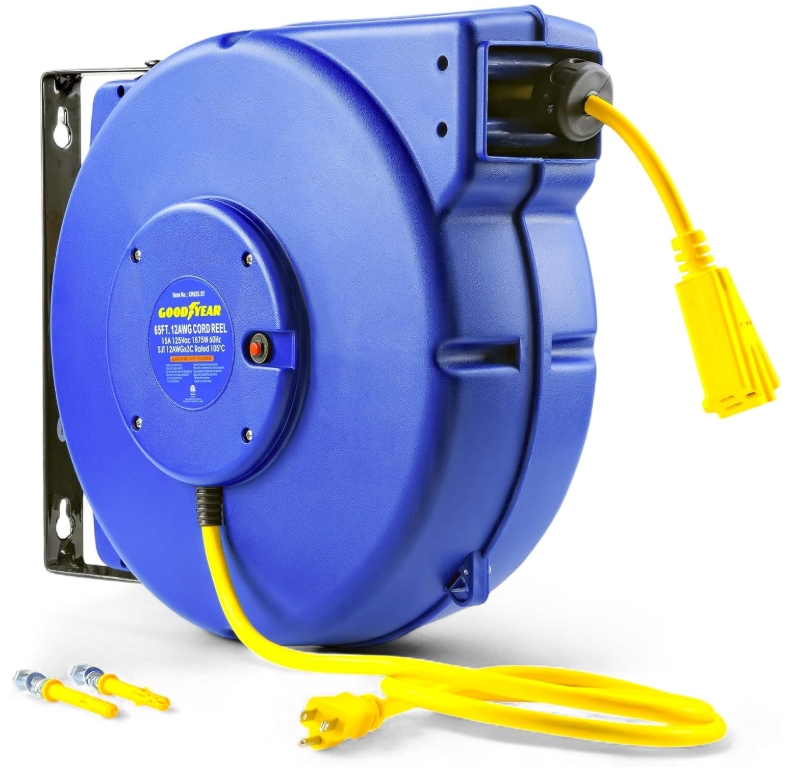
Before you store your extension cord reel, you need to think about safety first. You want to keep your extension cord in good shape and make sure it lasts a long time. Simple mistakes can lead to big problems. For example, some people overload their extension cord reel or leave it coiled too tight, which can cause overheating. Others store their extension cord in damp places or run it under rugs, which puts both safety and the cord at risk. Paying attention to how you use and store your extension cord reel helps you avoid accidents and keeps your workspace safer.
Key Takeaways
Always keep extension cord reels in a dry, cool spot. This helps stop damage and keeps them safe. Check cords often for cuts, frays, or burn marks. Replace any damaged cords right away. Wind cords with loose coils or use the over-under way. Do not wind cords too tightly because this can make them overheat. Do not overload cords. Never plug one extension cord into another. This lowers the chance of fire or shock. Sort cords by length and label them clearly. This saves time and keeps your workspace neat and safe.
Storage Importance
Safety Risks
You want your workspace to stay safe, right? Extension cord reels play a big role in keeping you and your family out of harm’s way. When you use cord reels, you keep cords off the floor. This simple step cuts down on trip hazards and helps prevent falls. You also avoid the mess of tangled cords, which can lead to accidents or even electrical safety problems.
Tip: Always check that your extension cord reel has safety features like sturdy construction and a smooth retracting mechanism. These safety features protect your cords from damage and lower the risk of electrical hazards.
Extension cord reels make it easy to store cords neatly. You don’t have to worry about clutter or cords getting in the way. In busy places like workshops or garages, cord reels help you grab power quickly without loose cords everywhere. This keeps your workflow smooth and your space safer. Retractable extension cord reels are especially helpful in homes and workspaces. They keep cords off the ground, which reduces tripping and protects cords from wear. Good cord management means fewer accidents and better electrical safety.
Here’s how extension cord reels help with safety:
Keep cords tidy and off the floor
Prevent tangles and clutter
Protect cords from damage
Lower electrical safety risks
Make power access easy and safe
Improve workflow and reduce accidents
Cord Longevity
You want your extension cord reel to last as long as possible. Proper storage is the key. When you use cord reels, you protect your cords from bending, twisting, and breaking. Extension cord reels keep cords organized, so you don’t have to untangle knots every time you need power.
Storing your extension cord reel in a dry, cool place helps prevent damage from moisture and heat. This simple safety measure keeps your cords strong and ready for use. Extension cord reels with safety features like durable cases and smooth winding help prevent wear and tear. You save money because you don’t have to replace cords as often.
Cord reels also make it easy to spot damage. When you store cords neatly, you can inspect them quickly for signs of wear. This helps you catch problems early and keeps your electrical safety in check. Extension cord reels are a smart investment for anyone who wants safe, long-lasting cords.
Extension Cord Reel Preparation
Getting your extension cord reel ready for storage is easy when you follow a few simple steps. You want to keep your cords safe, organized, and ready for the next project. Here’s how you can do it the right way.
Unplug and Inspect
Always unplug your extension cord before you start. Grip the plug, not the cord, to avoid damaging the wires inside. This small habit keeps your cord in good shape and helps prevent accidents. After unplugging, take a close look at your extension cord. Check for cuts, frayed spots, or exposed wires. Make sure the prongs are straight and not rusty. If you see burn marks or melted spots, it’s time to replace the cord.
Here’s a quick inspection checklist for your extension cord:
Step/Inspection Point |
What to Do |
|---|---|
Unplugging Method |
Hold the plug, not the cord, when unplugging. |
Visible Damage Inspection |
Look for cuts, frays, or exposed wires. |
Plug and Prong Check |
Make sure prongs are straight and clean. |
Flexibility Test |
Bend the cord gently; it should not feel stiff or brittle. |
Connection Inspection |
Check where the cord meets the plug for loose or broken parts. |
Discoloration/Burn Marks |
Watch for melted or discolored spots. |
Hot Spots |
Feel for warm areas after use. |
Labeling and Rating |
Check for clear labels and ratings. |
Proper Storage |
Coil loosely and store in a dry, cool place. |
Replacement |
Remove and replace damaged cords right away. |
Tip: Always store your extension cord indoors, away from water and heat. This keeps it safe from moisture and damage.
Clean and Dry
Before you put your extension cord away, give it a good cleaning. Use a soft brush with mild soap and warm water to remove dirt and dust. Wipe the cord with a soft towel until it’s dry. Never use a hairdryer or heater to speed up drying. Heat can damage the insulation and shorten the life of your cord.
If you notice sticky spots or grime, you can use a little rubbing alcohol. Just be careful not to get it on any plastic or rubber parts. Make sure the cord is completely dry before you store it. Moisture can cause rust or even electrical problems later.
Note: Wear gloves and work in a well-ventilated area when using cleaners. Avoid open flames because some cleaners are flammable.
Storage Solutions for Extension Cord Reels
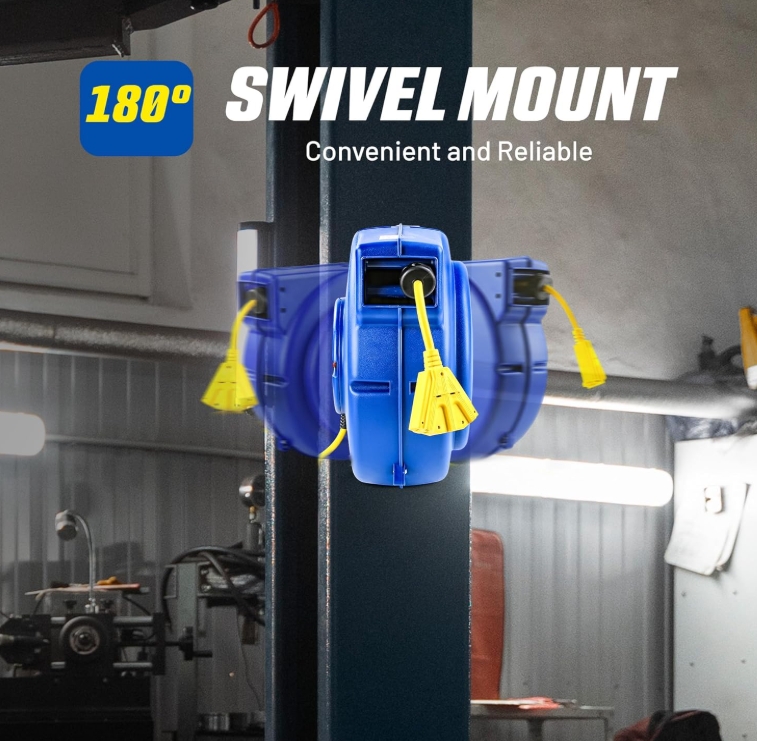
If you want your workspace neat and safe, pick the right storage for your extension cord reels. There are many choices. Each one helps you organize cords, save space, and keep them safe from harm. Let’s check out some good ways to store cord reels and why they work well.
Reels and Organizers
You can use reel cases, bins, and organizers to keep extension cord reels tidy. Reel cases shield cords from dust, water, and bumps. Plastic bins are great for stacking many cord reels, especially if you have different sizes or types. Organizers with slots or sections help you sort cords by size or job.
Here’s a quick look at the pros and cons:
Advantages of Using Reels and Organizers |
Disadvantages / Cautions |
|---|---|
Stops tripping by keeping cords neat and off the ground |
Always stretch cords out before use to stop overheating |
Protects cords from harm by stopping tangles and strain |
Cords can get hurt if pulled, stretched, or changed wrong |
Makes work easier with things like extra outlets and retractable parts |
Use the right cord reels for inside or outside to stay safe |
Helps follow safety rules and lowers fire or shock risks |
Check cords often for cuts, nicks, or damage to stay safe |
Certified products give better safety |
Using cords wrong or with damage can be very risky |
Extension cord reels with strong features give even more help. Many can be put on walls or ceilings, have tough covers, and wind cords up by themselves. These keep cords safe from weather, dust, and bumps. Some reels have spark-free designs for dangerous places. If you want something easy and saves space, try small and stackable organizers. You can wind cords fast and stop tangles, which makes jobs go smoother.
Tip: Always make sure your cord reels have the right electrical rating and safety marks. This helps you avoid accidents and keeps cords working longer.
Retractable Cord Reel Options
Retractable cord reel systems are popular with DIY fans and workers. You pull out just what you need, and the reel winds the cord back when you finish. This keeps your workspace clean and stops trips. Retractable cord reels use strong materials like tough plastic and steel. These reels fight rust, shocks, and weather, so you can use them inside or outside.
Many retractable cord reels have safety parts like circuit breakers and overload protection. You feel safe knowing your cords are protected from electrical dangers. Some reels have UV coatings and covers, which help them last longer outside. You can put these reels on walls or ceilings, or use portable ones for jobs that need moving.
Here are some reasons why retractable cord reels are special:
You keep cords off the ground and out of the way.
You save time by winding cords fast and neat.
You protect cords from bends, knots, and harm.
You can use cords while they’re still on the reel, which helps outside.
You get extra outlets and stoppers for more choices.
You boost safety with built-in circuit breakers and safety marks.
If you want a cord storage that is strong and easy, retractable cord reels are a smart pick. Just remember to check your cord reels often and keep them inside when you can. Clean the case and check the plugs to keep everything working well.
Wall Mounts and Hooks
Wall mounts and hooks are an easy way to store extension cord reels without using floor space. You can put mounted cord reels on walls, posts, or pillars. This keeps cords close and gives you more room for other tools. Wall racks work well in garages, workshops, and busy places where space is tight.
Hooks and pegboards let you hang portable cord reels and see every cord quickly. You can sort cords by size, type, or job. This setup makes it easy to grab the right cord when you need it. Putting them up is fast and cheap, so you don’t need special tools or skills.
You save space by using walls.
You cut down on mess and trips.
You make cords easy to reach and sort.
You keep cords in sight and easy to find.
Note: Always follow the maker’s instructions when putting up wall mounts or hooks. Make sure they are tight to stop accidents.
Best Practices for Cord Storage Environments
You want your extension cord reels to last a long time. The right place matters. Keep your cord reels in a dry, cool, and airy spot. Stay away from sunlight, which can hurt the insulation. Keep cords away from heat and heavy things. If you must keep cord reels outside, use waterproof boxes to protect them from water and dirt.
Environmental Condition |
Recommendation |
|---|---|
Dry and Cool Environment |
Keep cords in a dry, low humidity, and cool spot to stop water damage and material breakdown. |
Avoid Direct Sunlight |
Keep cords out of sunlight to protect insulation and make them last longer. Use UV-shielded storage if you can. |
Avoid Excessive Weight/Pressure |
Don’t put heavy things on cords to stop damage that can block electricity. |
Indoor Storage Preferred |
Store inside in quiet spots using reels, buckets, or hooks to stop crushing or stepping on cords. |
Outdoor Storage |
If you must store outside, use waterproof and sealed boxes to keep out water and dirt. |
Vehicle Storage |
Keep cords in dry, cool, and safe spots like boxes under seats or trunks, away from wet or hot places. |
Callout: Unplug cords before storing and always disconnect by pulling the plug, not the cable. Throw away damaged cords to keep your workspace safe.
When you use extension cord reels, retractable cord reel systems, portable cord reels, and mounted cord reels, you make your workspace safer and more organized. You also help your cords last longer with good storage and smart cord storage ideas.
Organizing Cord Reels
Grouping by Length
You want your extension cord reels easy to find and ready to use. Grouping cords by length makes your life simpler. You can grab the right cord for the job without digging through a tangled mess. Start by sorting your cord reels into piles based on how long they are. Short cords go in one spot, medium cords in another, and long cords in their own area.
Here are some smart ways to group your cord reels:
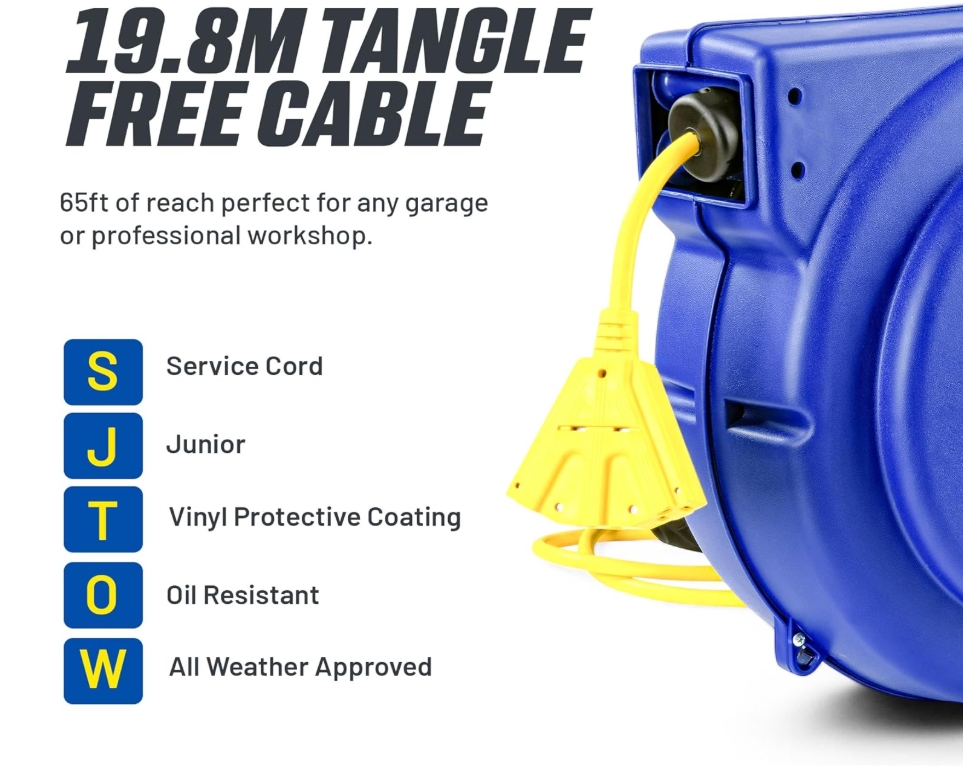
Use retractable extension cord reels in your shed or workspace. You can mount them on the wall and keep cords tidy.
Pull out only the length you need, then roll it back up when you finish. This saves space and makes cleanup quick.
Store cables by length in sturdy containers like buckets. This keeps them safe and easy to carry.
Use reusable plastic cable ties to keep cords neat. Avoid electrical tape because it can get sticky and messy.
Label both ends of each cord so you know the length right away.
When you group your cord reels by length, you improve cord management and make cord storage much easier. You also protect your cords from damage and keep your workspace organized.
Labeling and Accessibility
Labeling your extension cord reels helps you find the right cord fast. You don’t want to waste time guessing which cord is which. Simple labels make a big difference. You can use colored tape to show what each cord is for. For example, red tape for power tools, blue for lights, and green for outdoor use.
Try these easy labeling ideas:
Write the length and purpose on a tag and attach it to each cord reel.
Use simple markers if you don’t have labels or tape.
Place cord reels near the spots where you use them most. This saves time and keeps your workspace tidy.
Consider professional labeling services if you have lots of cords and want quick identification.
Here’s a quick table to help you pick a labeling method:
Labeling Method |
Best For |
How to Use |
|---|---|---|
Colored Tape |
Quick ID by purpose |
Wrap tape around the ends |
Written Tags |
Length and job |
Attach to cord reels |
Markers |
Fast and simple |
Write on the cord itself |
Professional Labels |
Large collections |
Order custom labels |
Wrapping each cord reel individually with a cloth or towel keeps dust away and stops tangling. You’ll always have clean, ready-to-use cord reels. Good labeling and smart grouping make your cord reels easy to grab and use whenever you need them.
Mistakes to Avoid
When you store and use extension cord reels, you want to keep safety at the top of your mind. Many people make simple mistakes that can lead to big problems. Let’s look at the most common ones and how you can avoid them.
Overloading Reels
Overloading is one of the biggest dangers with extension cord reels. If you plug in too many devices or use a cord that cannot handle the power, you risk overheating. This can melt the insulation and even start a fire hazard. Always check the cord’s rating before you use it. Pick a cord that matches your device’s power needs. Unwind the entire cord before plugging in your tools. This helps heat escape and keeps your workspace safe. Never ignore signs of damage like cracks or exposed wires. Regular inspection is a key part of electrical safety.
-
Overloading can cause:
Heat buildup and melted insulation
Exposed wires and electric shock
Fire hazard in your home or workshop
Tip: Unplug cords when you finish using them. This simple step lowers the risk of overheating.
Tight Coiling
Tight coiling might seem neat, but it can hurt your extension cord. When you coil a cord too tightly, heat gets trapped inside. The wires cannot cool down, so they get hot and may melt the insulation. This can damage the wires and create a safety risk. Use loose coils or the over-under method to let air flow around the cord. This keeps the cord cool and helps it last longer. Never cover cords with rugs or cushions, as this blocks heat from escaping.
Damp Storage
Storing extension cord reels in damp places is never a good idea. Moisture can break down the insulation and make the cord unsafe. Wet cords can shock you or even cause a fire hazard. Always keep your cords in a dry, cool spot. If you must use cords outside, pick ones with GFCI protection for extra electrical safety. OSHA recommends dry storage to prevent damage and keep your cords working well.
Storage Checklist
Step-by-Step Guide
Ready to store your extension cord reel the right way? Follow this easy checklist to keep your cords safe, organized, and ready for your next project. You can print this out or save it for quick reference.
Inspect your cord reel. Look for cuts, frayed insulation, or exposed wires. If you spot damage, replace the cord right away.
Check plugs and prongs. Make sure they are straight, clean, and free from rust or corrosion.
Test flexibility. Bend the cord gently. It should feel soft, not stiff or brittle.
Examine connections. Check for loose or broken parts at the plug and socket ends.
Look for burn marks. Discoloration or melted spots can mean overheating.
Feel for hot spots. After you use the cord, run your hand along it to check for warm areas.
Verify labels. Make sure you see the amperage, voltage rating, and safety certifications.
Match the rating. Confirm the cord’s rating fits your device’s power needs and the environment.
Coil loosely. Avoid sharp bends or tight knots. Loose coils help prevent wire strain.
Store in a dry place. Pick a cool, protected spot away from water, heat, and sunlight.
Clean before storing. Wipe off dirt and moisture so your cord stays in top shape.
Hang or mount the reel. Use hooks or wall mounts to keep cords off the floor and out of high-traffic areas.
Unplug carefully. Always grip the plug, not the cord, when disconnecting.
Avoid overloading. Never plug in more devices than the cord can handle.
Inspect regularly. Check your cord reel before each use and replace damaged cords.
Tip: If you follow these steps every time, you’ll keep your extension cord reels working safely and make your workspace more organized.
Maintenance Tips
Regular Inspection
You want your extension cord reel to be safe every time. Checking it often helps you find problems early. This keeps your workspace safe. Take a few minutes before each use to look at your cord and reel. You might see fraying, cracks, or rust that could cause trouble. Manufacturers say checking your extension cord often can cut down on reel failure by half.
Here’s a table with top maintenance tips and their benefits:
Maintenance Tip |
Description |
Benefit |
|---|---|---|
Regular Inspection |
Look for fraying, cracks, rust |
Reduces failure by up to 50% |
Keep Clean and Dry |
Wipe away dust and moisture |
Extends reel life by about 30% |
Proper Winding |
Coil cord neatly, avoid overstretching |
Increases lifespan (ESFI research) |
Avoid Overloading |
Use within rated capacity |
Lowers electrical risks by 25% |
Storage |
Store in a dry, cool place |
Boosts durability |
Lubrication |
Oil moving parts for smooth operation |
Reduces wear and tear |
Make inspection part of your routine. Clean your reel and cord after each project. Store them in a dry place. Lubricate moving parts if your reel has them. These steps help your extension cord last longer and keep everyone safe.
Tip: Always unplug your extension cord before you check or clean it. This easy habit keeps you safe from shocks.
Signs of Damage
Finding damage early keeps you safe and saves money. Look for these signs every time you use your extension cord reel:
Cuts, nicks, or scrapes on the insulation
Frayed or exposed wires
Broken or damaged wires
Burn marks or discolored insulation
Loose plugs or connectors
Stiff or brittle parts of the cord
Rust or corrosion on plugs and prongs
Slow reel retraction or jammed cords
Damaged cords can shock you, start fires, or cause other dangers. Replace any extension cord that looks worn out. Good care and quick action help you avoid accidents and keep your workspace safe.
Callout: Never ignore damage. Your safety depends on regular checks and fast repairs.
You want your workspace safe and neat. Storing extension cord reels the right way helps you and your cords. If you check and clean cords often, you find damage early. This keeps everything working well. These habits are important for many reasons:
Checking cords often finds problems before they get worse.
Keeping cords away from water and heat makes them last longer.
Using reels and hooks stops cords from getting tangled.
Cleaning cords gets rid of dust and keeps things safe.
You can make your projects safer and easier. Try these tips now and check your cords often. Good cord management gives you more safety and less trouble every time you work.
FAQ
How do you know if your extension cord reel needs replacing?
Look for frayed wires, cracked insulation, or burn marks. If the cord feels stiff or the plug is loose, it’s time for a new one. Safety comes first, so don’t take chances.
Can you store extension cord reels outside?
You should keep extension cord reels indoors in a dry, cool spot. If you must store them outside, use a waterproof box. Moisture and sunlight can damage cords and make them unsafe.
What’s the best way to label your extension cords?
Try colored tape, written tags, or simple markers. Write the length and purpose on each label. This helps you grab the right cord fast and keeps your workspace organized.
How often should you inspect your extension cord reel?
Check your extension cord reel before every use. Look for damage, dirt, or loose parts. Regular inspection helps you catch problems early and keeps your workspace safe.
